What is Lomography Lady Grey 400?
Created by Lomography, Lady Grey 400 is a panchromatic black-and-white negative film designed to produce fine grain, moderate contrast, and a broad range of gray tones. Its ISO 400 speed makes it flexible enough for changing light, while its high dynamic range helps preserve detail throughout the highlights and shadows.
Lomography is often associated with experimental films that create bold color shifts and unpredictable results, but Lady Grey takes a more traditional approach. Rather than producing a heavily stylized look, it aims for a faithful monochrome interpretation of a scene. It is especially well suited for detailed portraits, architecture, street photography, and everyday use.
Lady Grey 400 is available in 35mm with 36 exposures per roll. It does not include DX coding and must be developed using standard black-and-white chemistry.
Shooting The Roll
I had been wanting to shoot more black-and-white film, but I was not sure which stock would suit the way I photograph. Much of my work depends on color, especially when I am photographing travel, landscapes, concerts, or small details that catch my attention. Shooting Lady Grey meant setting color aside and paying closer attention to light, texture, shape, and contrast.
I loaded my first roll of Lomography Lady Grey 400 for a walk through Old Town Alexandria in the spring of 2025. Its ISO 400 speed felt practical because I knew I would be moving between bright streets, shaded storefronts, narrow side streets, and the waterfront. Since the film is not DX-coded, I had to remember to manually set my Nikon N80 to ISO 400 instead of letting the camera read the film speed automatically. Once it was set, I could photograph more instinctively without constantly worrying about whether there would be enough light.
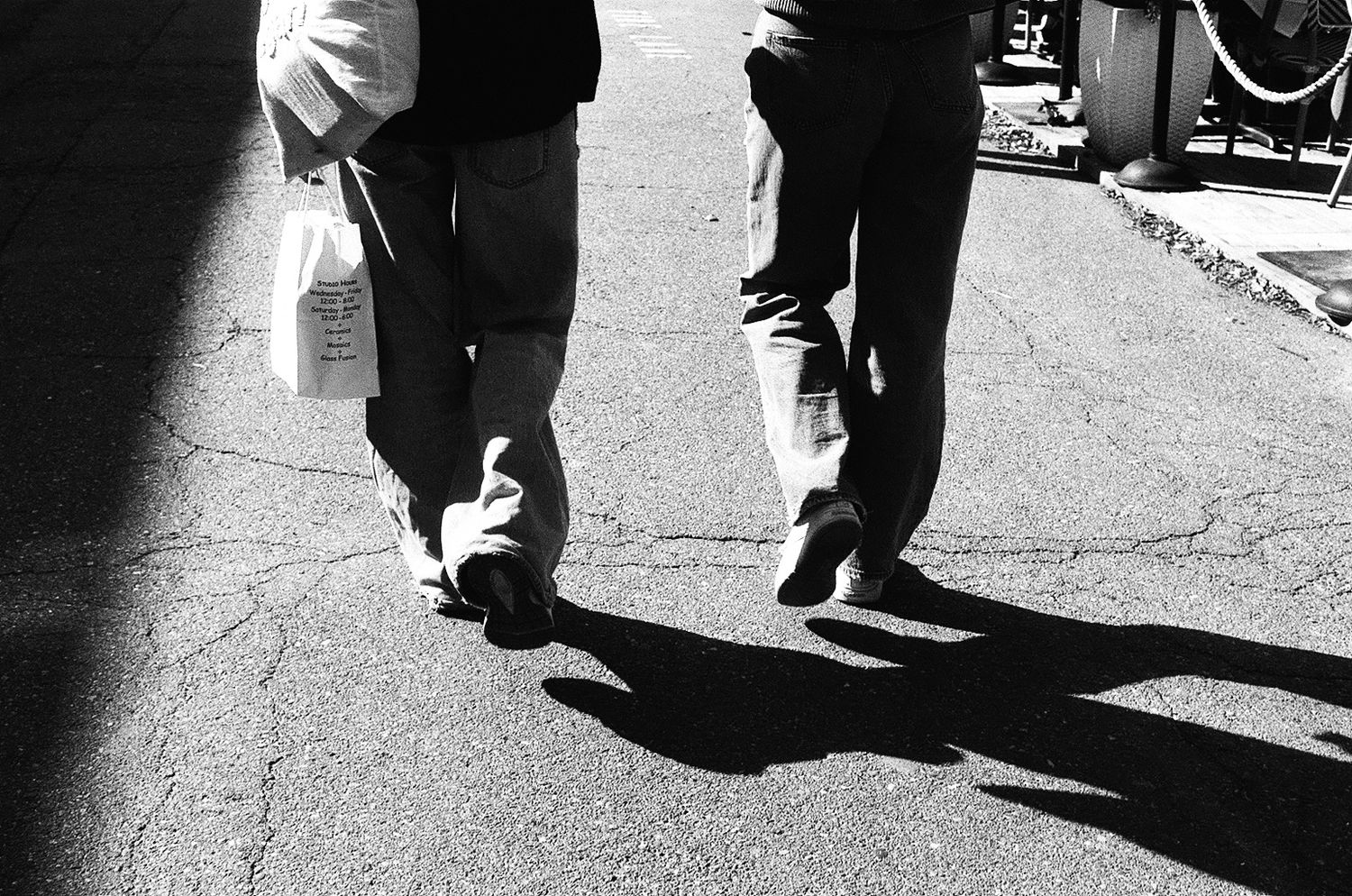
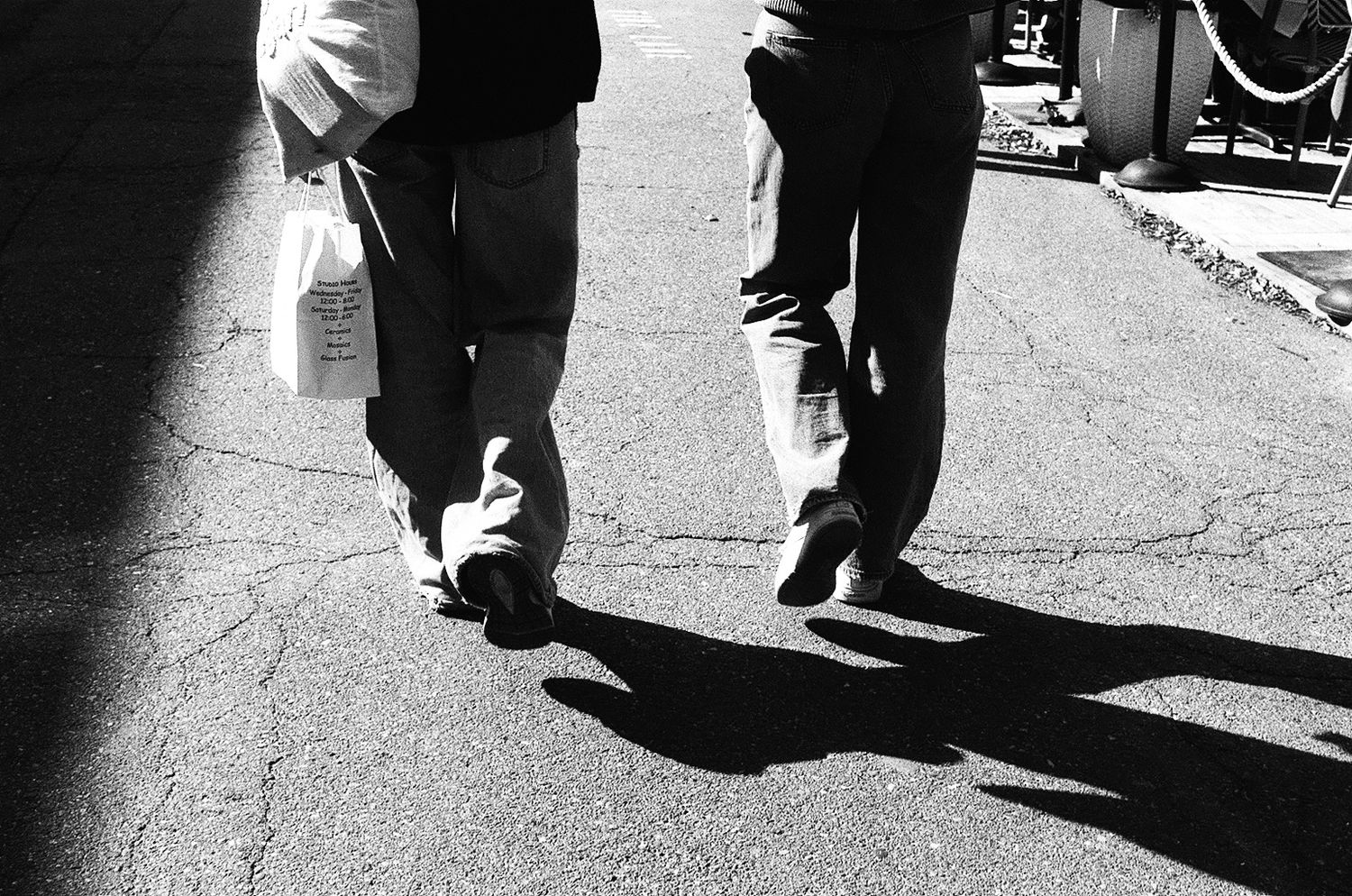
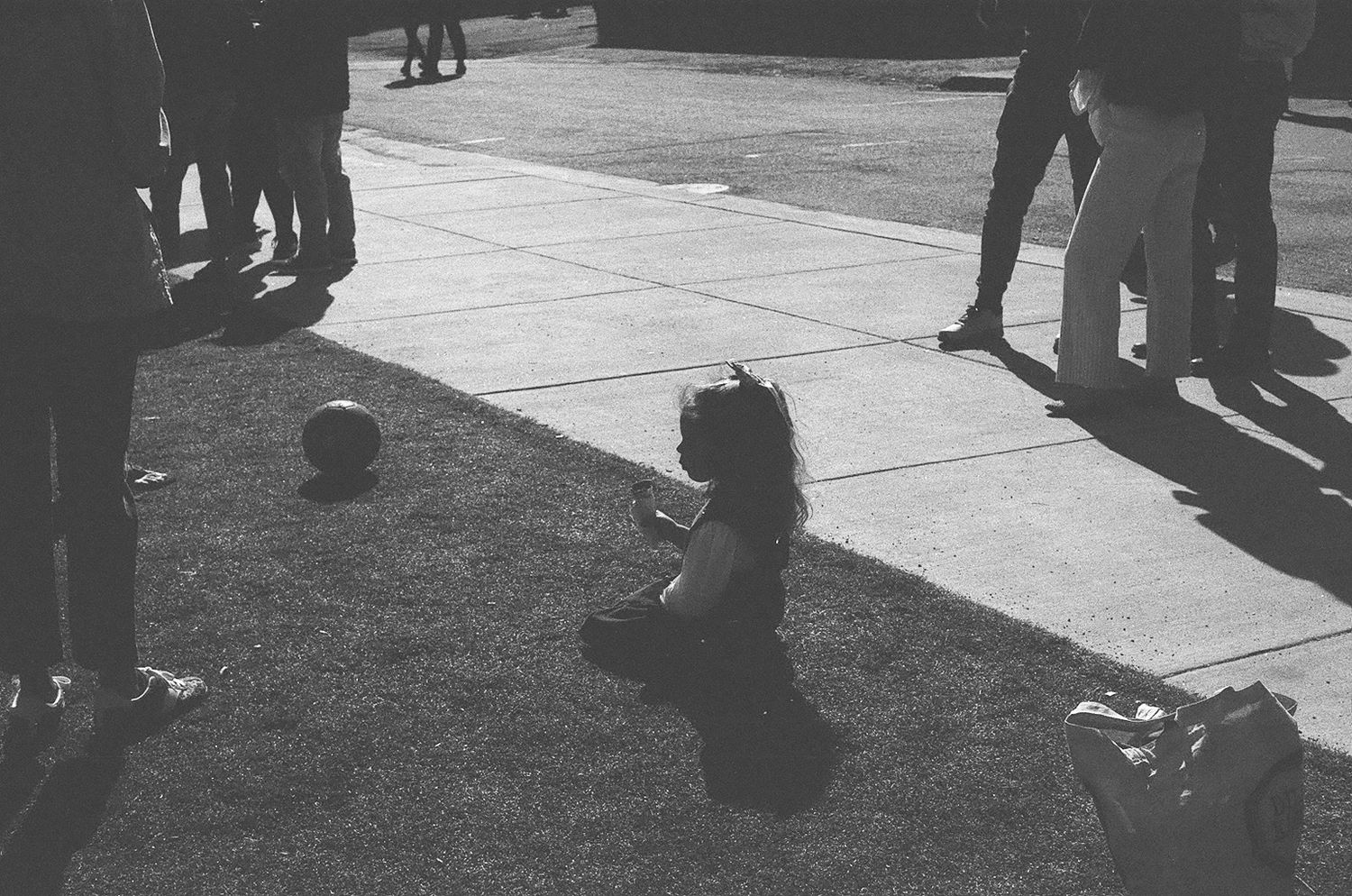
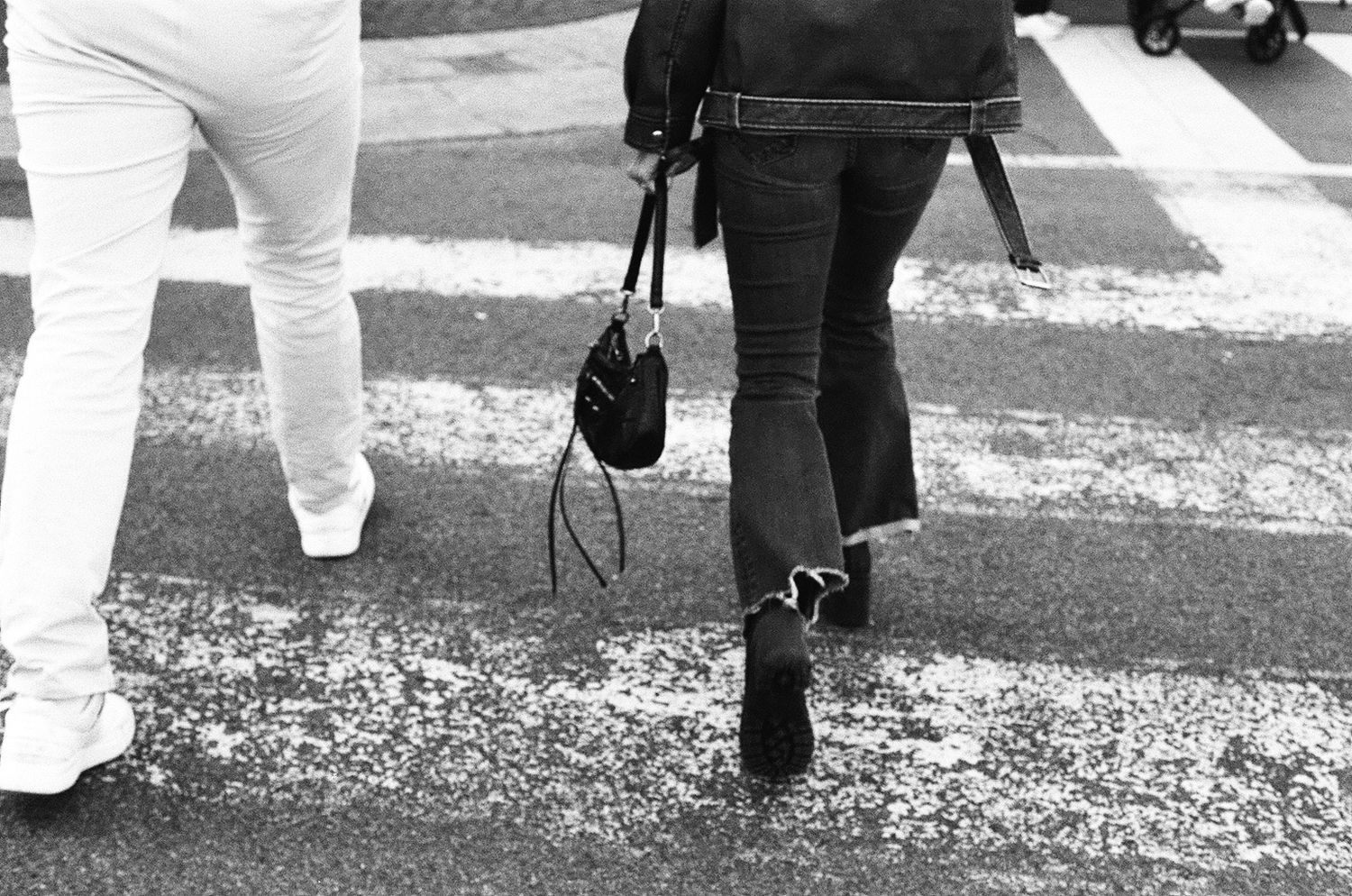
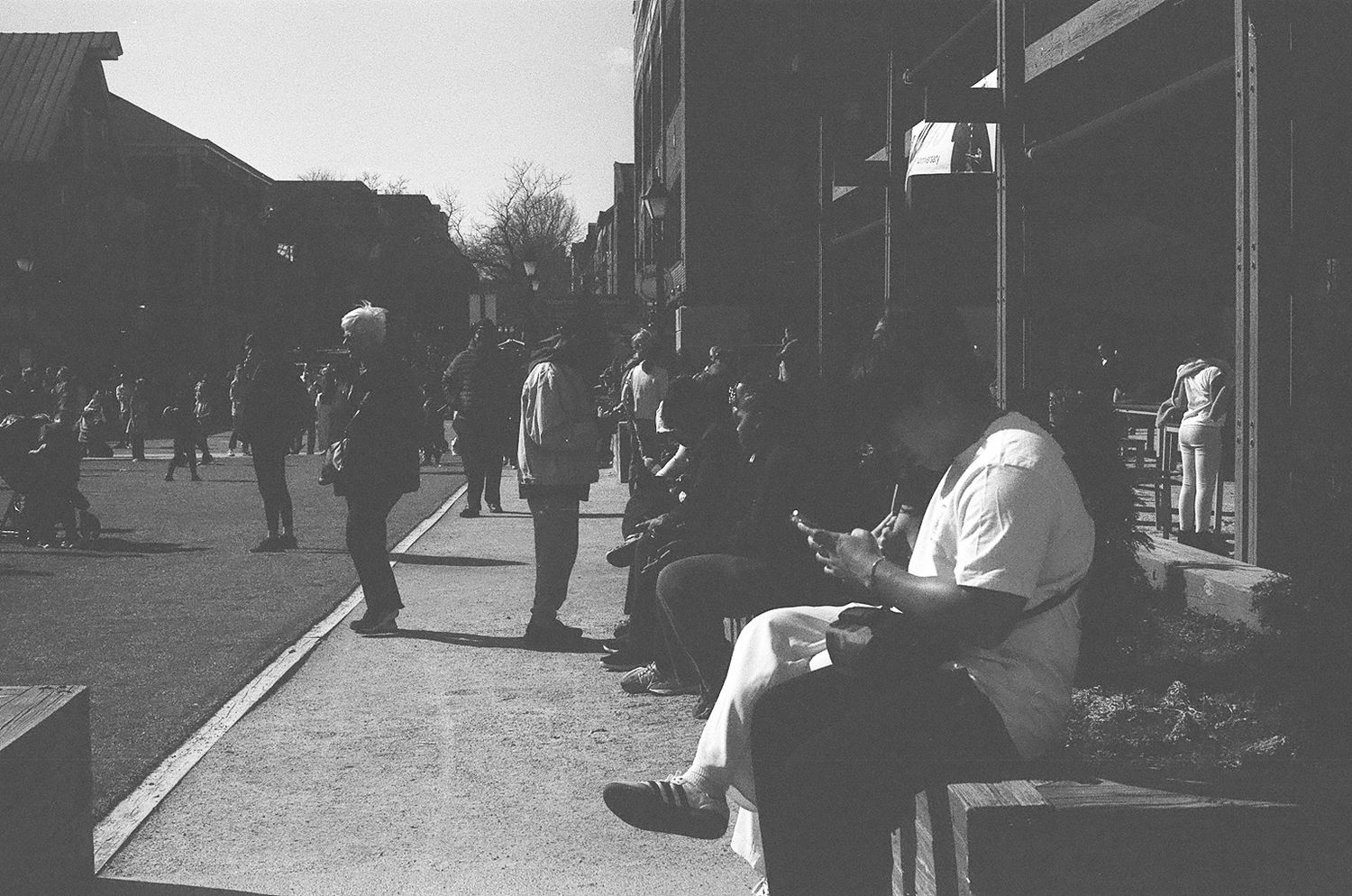
Shooting in black and white pushed me to notice shadows, reflections, repeated lines, and the way people moved through the streets. Without color carrying the image, I found myself looking for silhouettes and moments when the light separated a person from the background. The hard afternoon sun worked especially well, creating long shadows and bold areas of black and white.
The Look: Grain, Contrast, and Character
Final Thoughts
- Some frames looked flatter and grayer than I expected
- Contrast varied noticeably from image to image
- Softer lighting did not produce the dramatic look I preferred
- The scans appeared inconsistent, with some frames showing lifted blacks
- The film may need extra contrast during scanning or editing
- Because it is not DX-coded, I had to remember to set ISO 400 manually on my Nikon N80
Lomography Lady Grey 400 proved to be a flexible and approachable black-and-white film for walking around Old Town Alexandria. It gave me enough speed to photograph changing light while encouraging me to think more carefully about shape, texture, and shadow. The grain felt classic, and the strongest frames had bold blacks, bright highlights, and a documentary street-photography quality that suited the location.
The roll also taught me that Lady Grey does not automatically create dramatic contrast in every situation. Its appearance depends heavily on the light, exposure, development, and scan. In direct sunlight, it can look bold and graphic. In flatter light, it produces a softer range of grays that may require more editing depending on personal preference.
I would shoot it again, especially for street photography, architecture, and scenes with strong sunlight and defined shadows. Next time, I would pay closer attention to the lighting and make sure the scans are processed consistently before judging the final contrast.
What I Liked
What I Disliked
- Classic black-and-white look with visible, natural-looking grain
- Strong contrast in direct sunlight
- Deep blacks and bright highlights in scenes with hard light
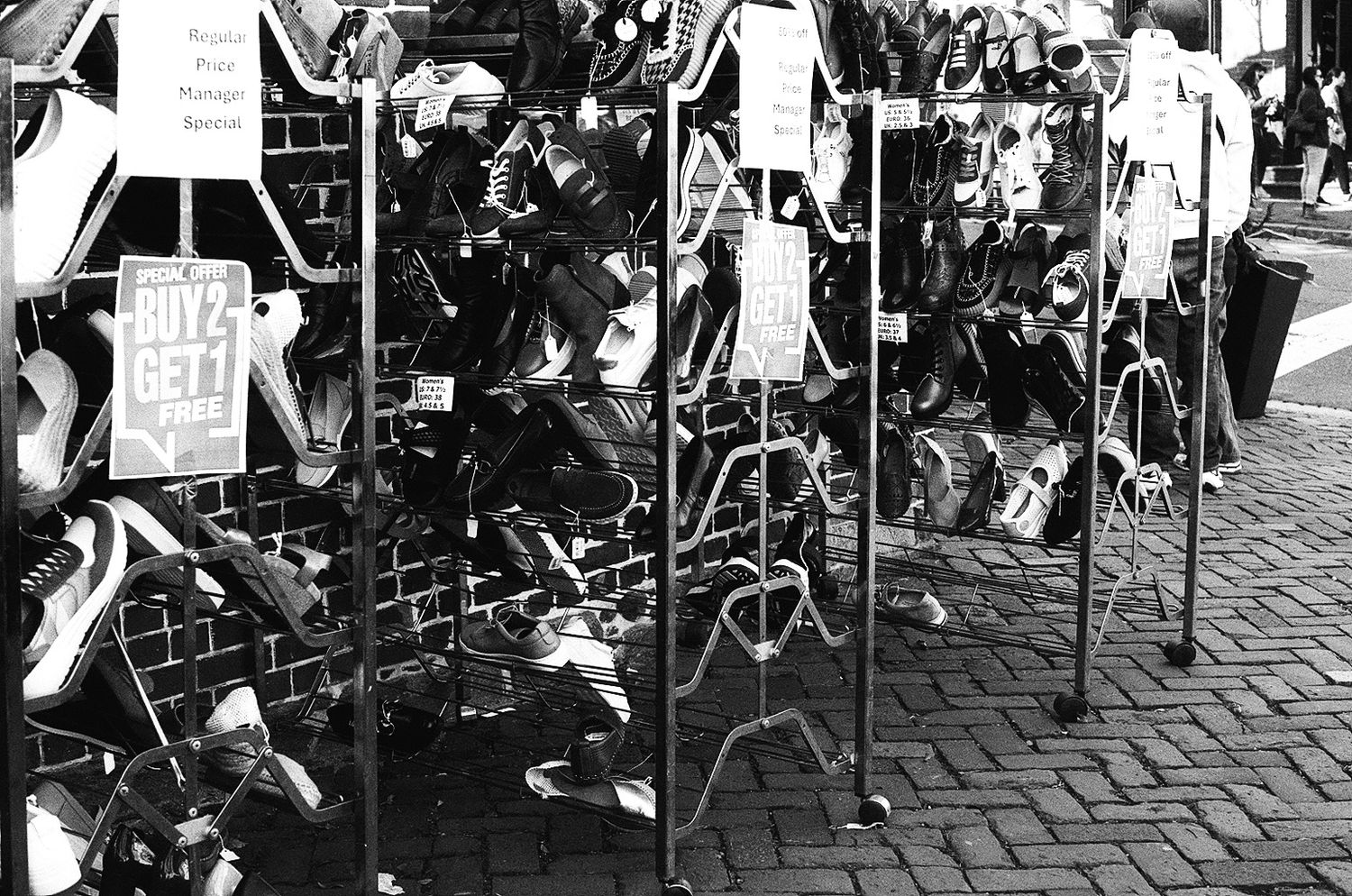
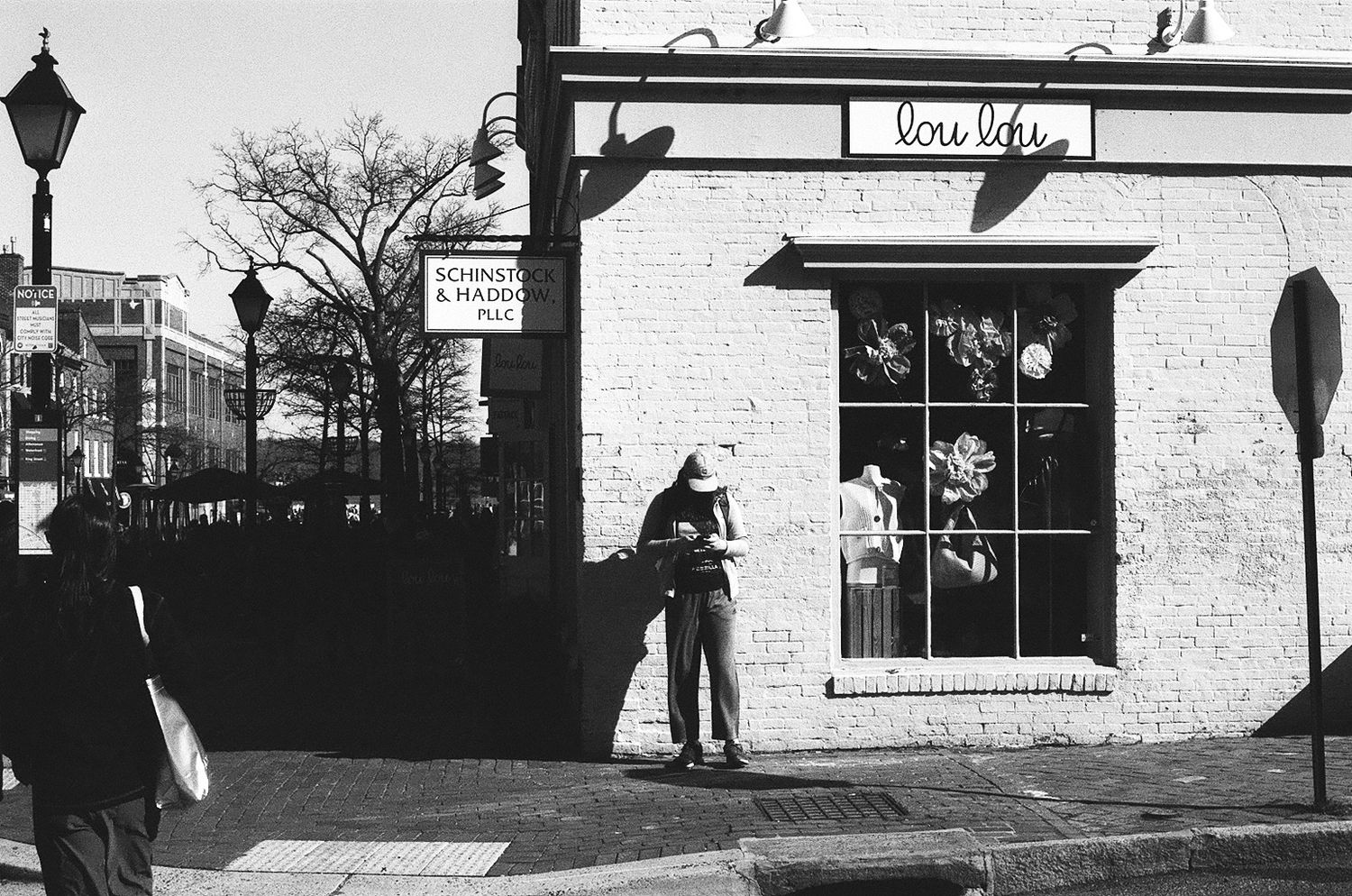
- Good detail in brick, clothing, pavement, and storefronts
- ISO 400 made it flexible for changing light
- Worked especially well for street photography, architecture, silhouettes, and long shadows
- Encouraged me to pay more attention to shape, texture, and movement
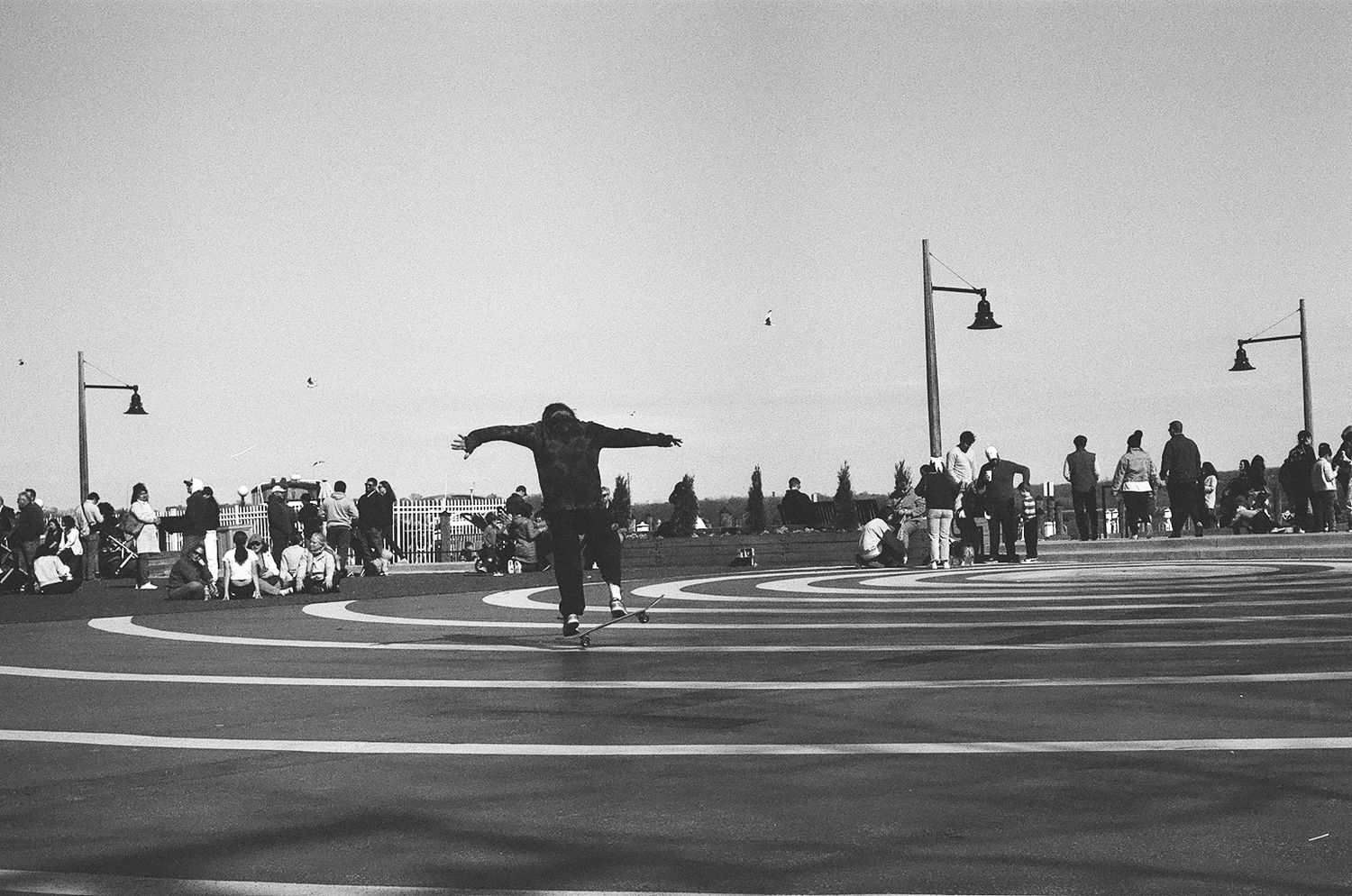
Lomography Lady Grey 400 gave this roll a classic black-and-white look with visible grain, strong shadows, and a broad range of gray tones. In direct sunlight, it produced bright highlights, deep blacks, and crisp separation between light and shadow. The storefronts, walking figures, and skateboarder felt especially graphic because the afternoon light was already creating bold shapes and long shadows.
The softer frames looked noticeably less contrasty, mostly because they were photographed in more even light. Open shade, haze, and reflected light create a narrower difference between the brightest and darkest parts of a scene, so the results appear flatter and more gray. Exposure also played a role. Frames receiving more exposure retained more shadow detail and looked softer, while slightly underexposed images produced darker shadows and stronger-looking contrast.
Scanning by the lab may have added even more variation. Automatic lab scans can interpret each frame differently, lifting shadows in one image while deepening the blacks in another. The waterfront photograph appears to have a narrower tonal range and more lifted blacks, while the Lou Lou storefront and walking-shadow images have much stronger separation. Some of the inconsistency may come from the scans rather than the film itself. In the future, maybe I will rescan them myself to compare.
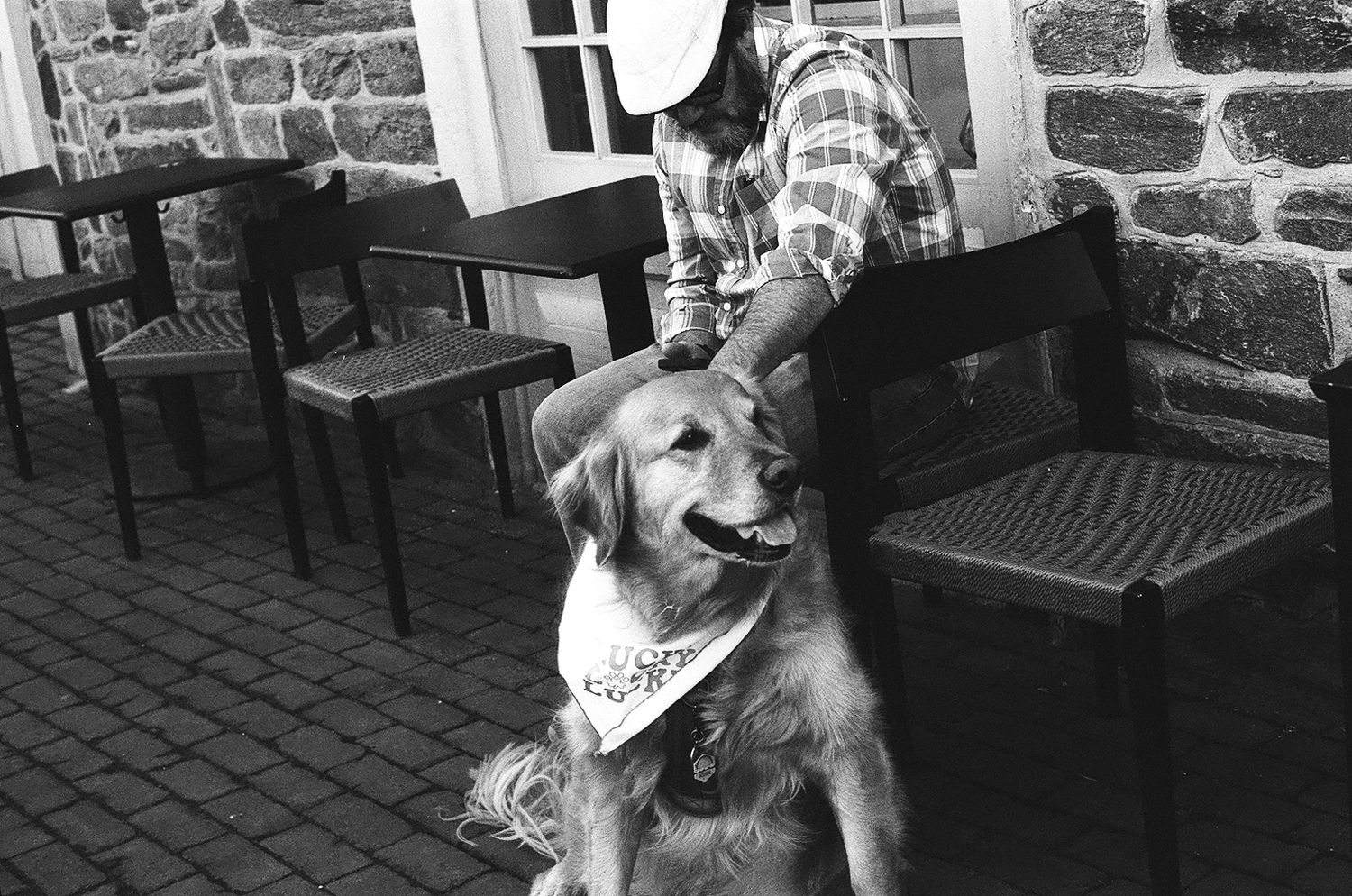
As for grain visibility, the grain remained visible throughout the roll, especially in skies and flatter areas, but it suited the street-photography setting. Overall, Lady Grey seemed capable of both bold, graphic contrast and softer tonal results depending on the light, exposure, and scanning.