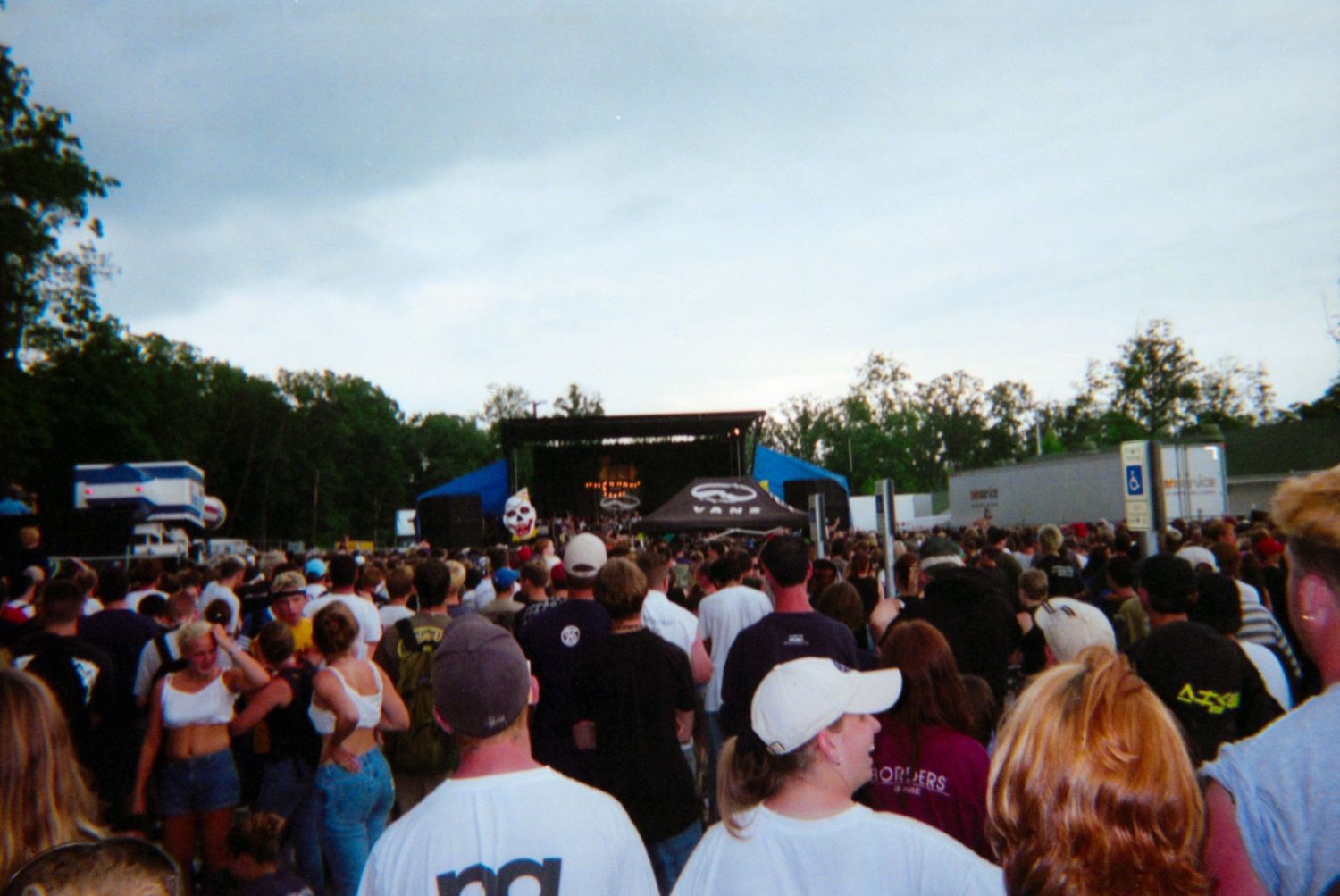
Vans Warped Tour began in 1995 when founder Kevin Lyman created a traveling festival that brought alternative music, punk rock, and skate culture together. Vans became the title sponsor after the festival’s first year, and Warped eventually grew into one of North America’s longest-running touring music festivals. For more than two decades, bands, crews, stages, vendors, and athletes traveled from city to city throughout the summer, giving each location one packed day of music and controlled chaos.
Although Warped Tour became closely associated with punk, pop-punk, emo, metalcore, and ska, its lineups were never limited to one genre. The festival gave emerging artists the opportunity to perform alongside established acts while bringing music, skateboarding, BMX, art, and alternative culture together in one place.
The final full cross-country tour took place in 2018, followed by three special 25th-anniversary events in 2019. After several years away, Warped Tour returned in 2025 to celebrate its 30th anniversary. This time, however, it was reimagined as a series of two-day festivals held in a smaller number of cities rather than a one-day tour traveling across the country. The revived festival returned again in 2026 with an expanded group of select stops.
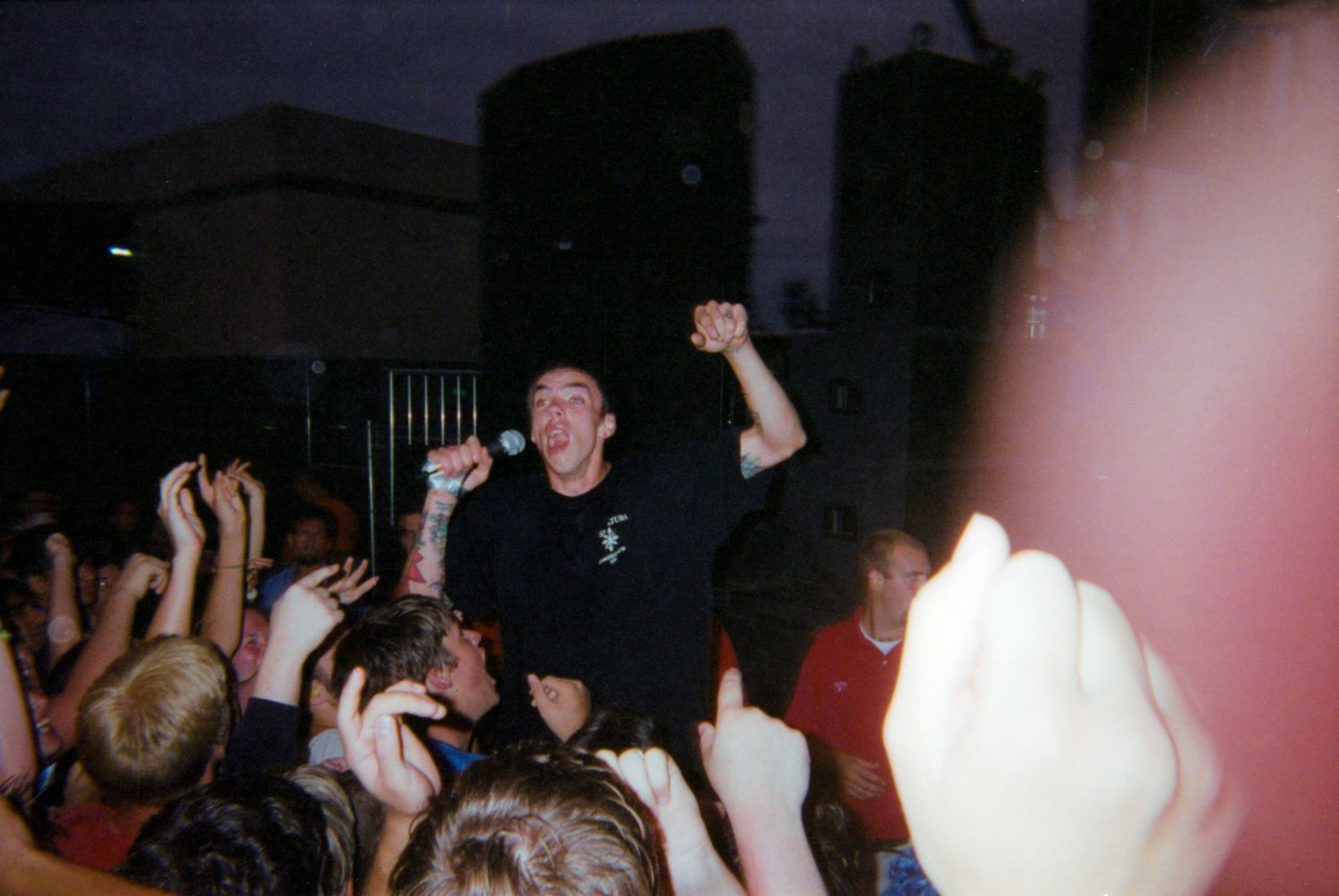
The format may have changed, but the parts that made Warped Tour feel like Warped Tour remained. There were still packed crowds, overlapping sets, crowd surfers, mosh pits, skate culture, and far too many bands to see in a single weekend. What changed most for me was not only the festival itself, but the role I had within it. In 2014, I attended as a high school student with friends and an old iPhone. In 2026, I returned with professional camera equipment, media access, and the responsibility of documenting the experience from inside the chaos.



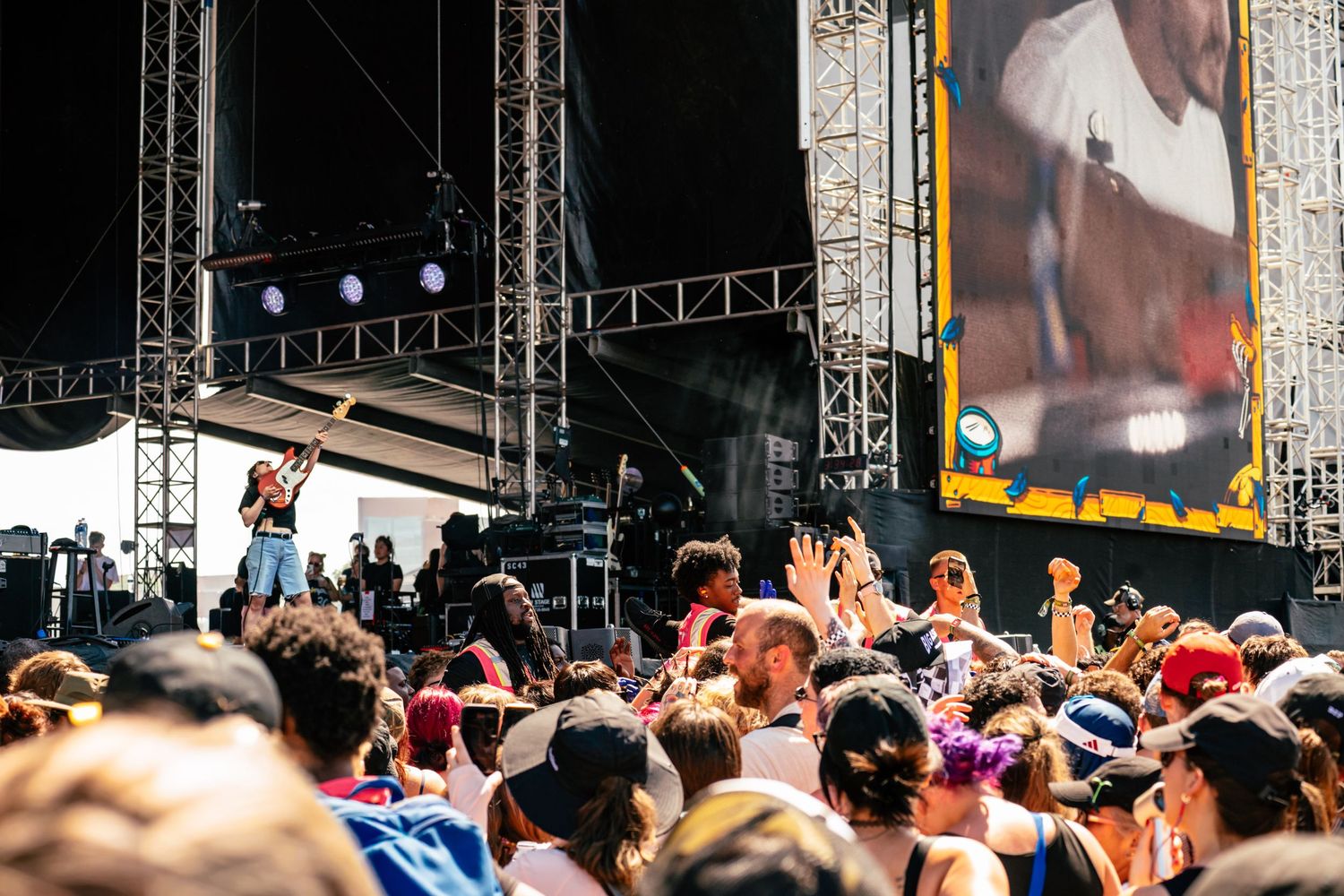
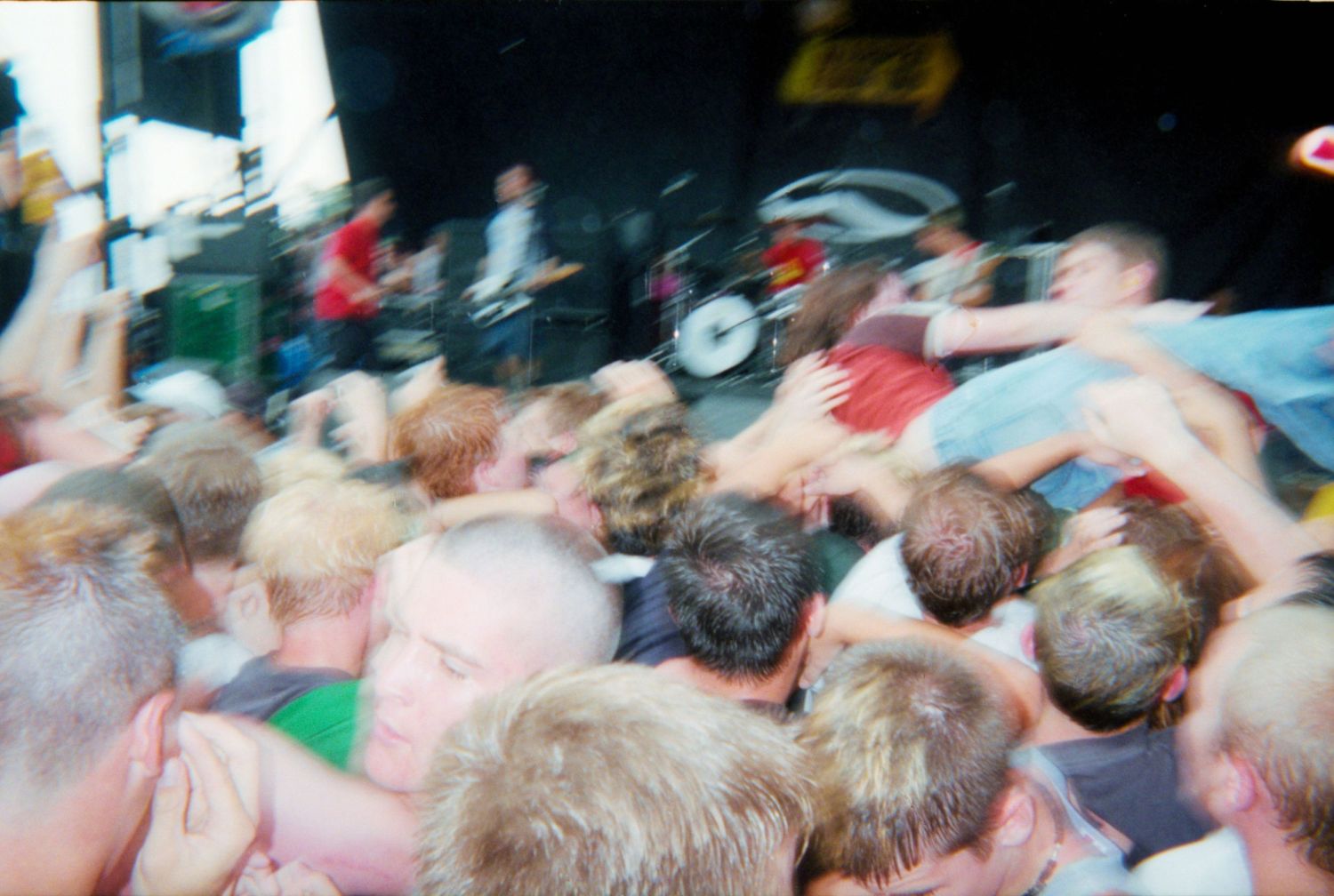
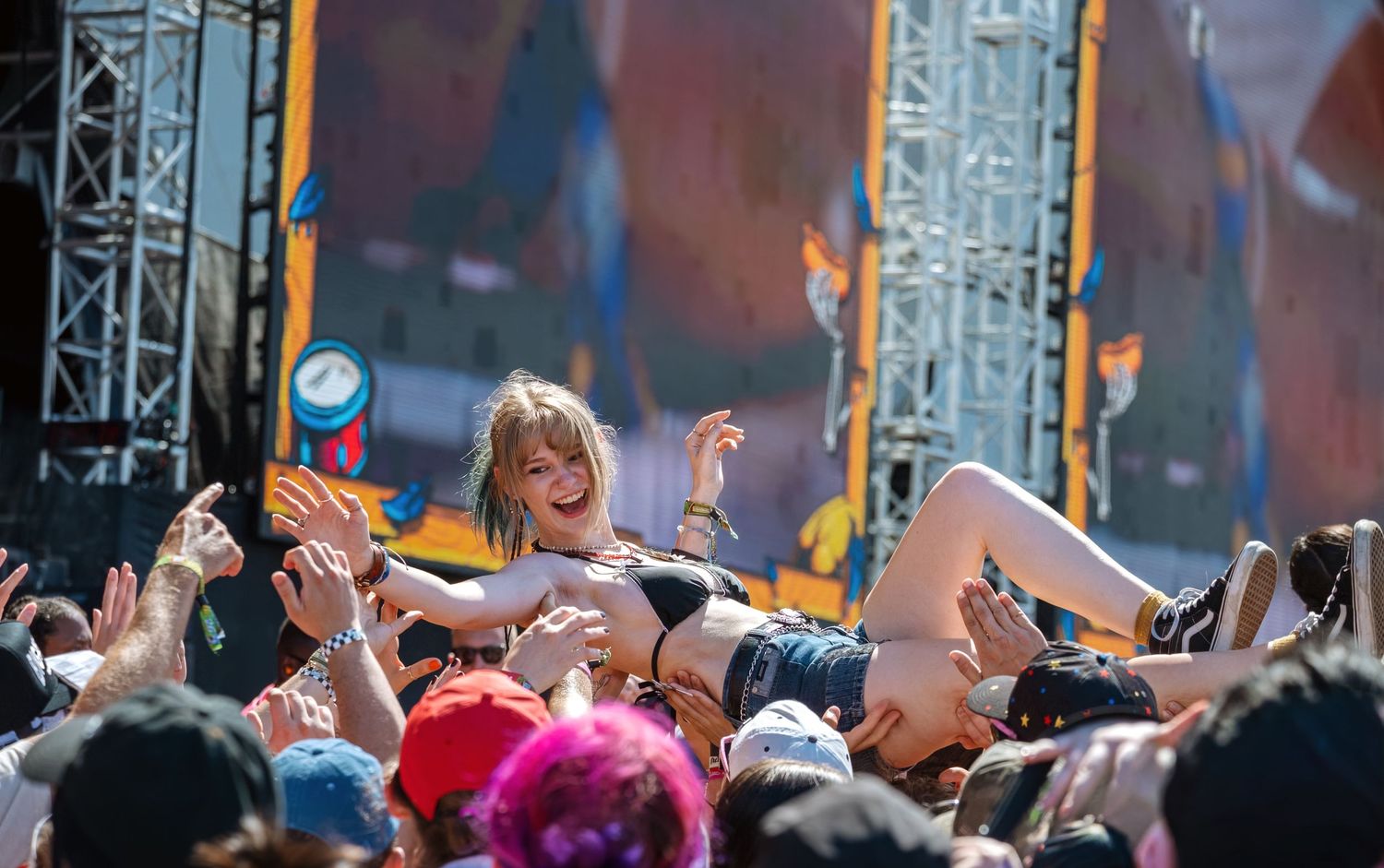
Warped Tour returned with a bigger setup, more amenities, and a two-day format, but the mosh pits, crowd surfers, and familiar chaos never left.
Back in the “olden days” of Warped Tour, the festival traveled from coast to coast, hitting around 40 cities over the course of a single summer. Each city received one packed day before the final band finished, the stages came down, and the entire production moved on to its next stop. When Warped Tour returned in 2025, it came back with a very different format. Instead of visiting dozens of cities, the festival is now held over two days in a much smaller number of locations.
This year’s stops included Washington, D.C.; Long Beach, California; Montreal, Quebec; Mexico City, Mexico; and Orlando, Florida. The downside is that fewer fans have a Warped Tour stop close to home. The upside is that each selected city receives an entire weekend instead of a single day. The two-day format gives attendees more time to explore the grounds, discover artists they may not have planned to see, and recover from the emotional devastation of two favorite bands performing at the same time. I swear, it took me a week to recover.
Built for Two Days: Better Food and Amenities
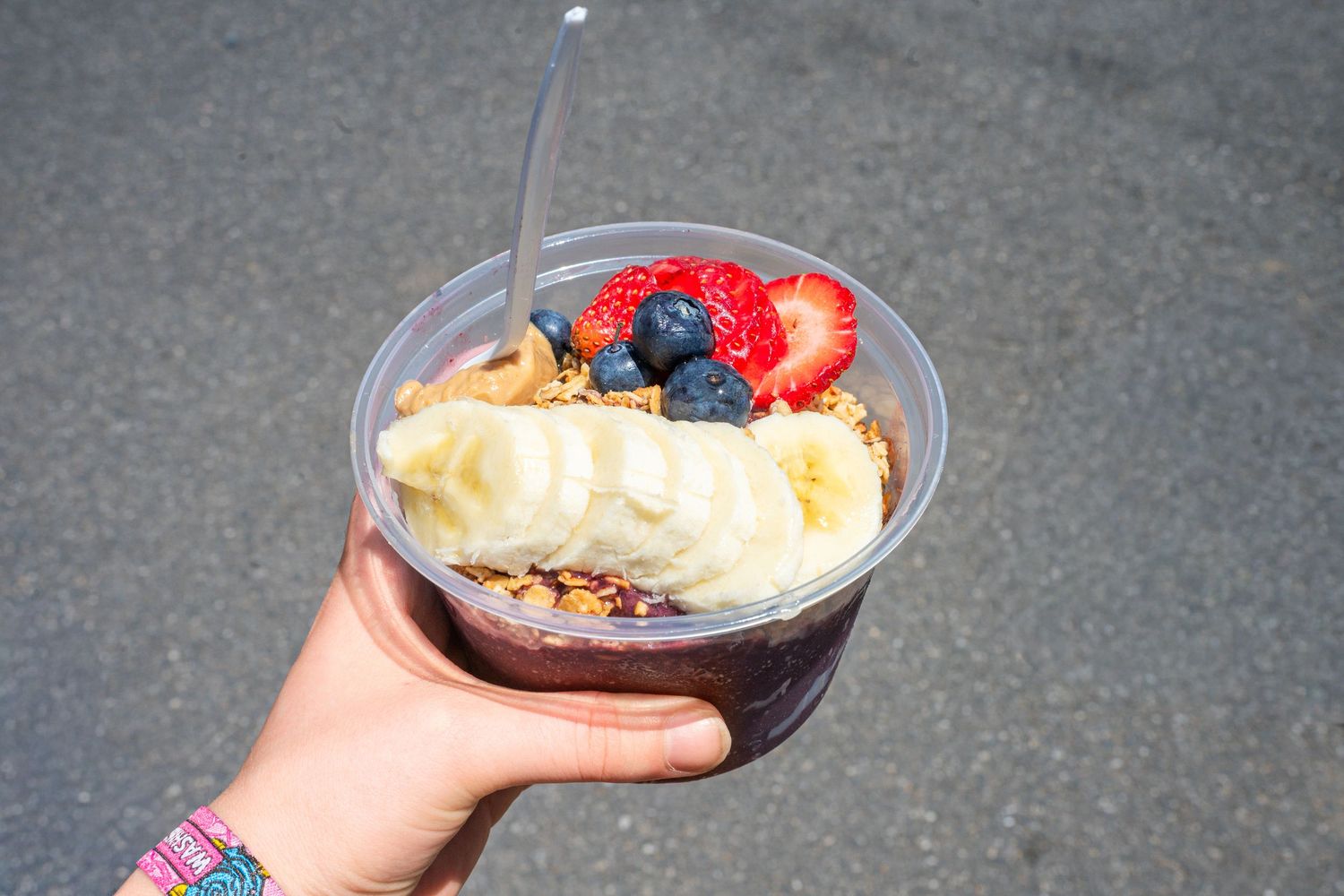
The revived festival felt much better prepared for attendees spending two full days outside. Water-refill stations were easier to find throughout the grounds, while charging stations and rental lockers helped people keep their phones alive for checking set times, finding friends, and documenting the weekend. Food and drink vendors also seemed to be everywhere, with a wider selection than the basic festival concessions I remembered. The prices were still high, of course, but the vegetable hummus burrito was so good that I bought it both days. Out of everything that happened that weekend, I did not expect a festival burrito to become one of the weekend’s highlights.
Cashless payment options and an enormous number of portable toilets also made the experience easier. They were not the most exciting additions, but after hours of walking in the heat and drinking enough water to survive, they were definitely appreciated. Warped Tour was still hot, loud, crowded, and unpredictable, but the added amenities made the two-day festival far more manageable without making it feel overly organized or polished.
More Than the Music
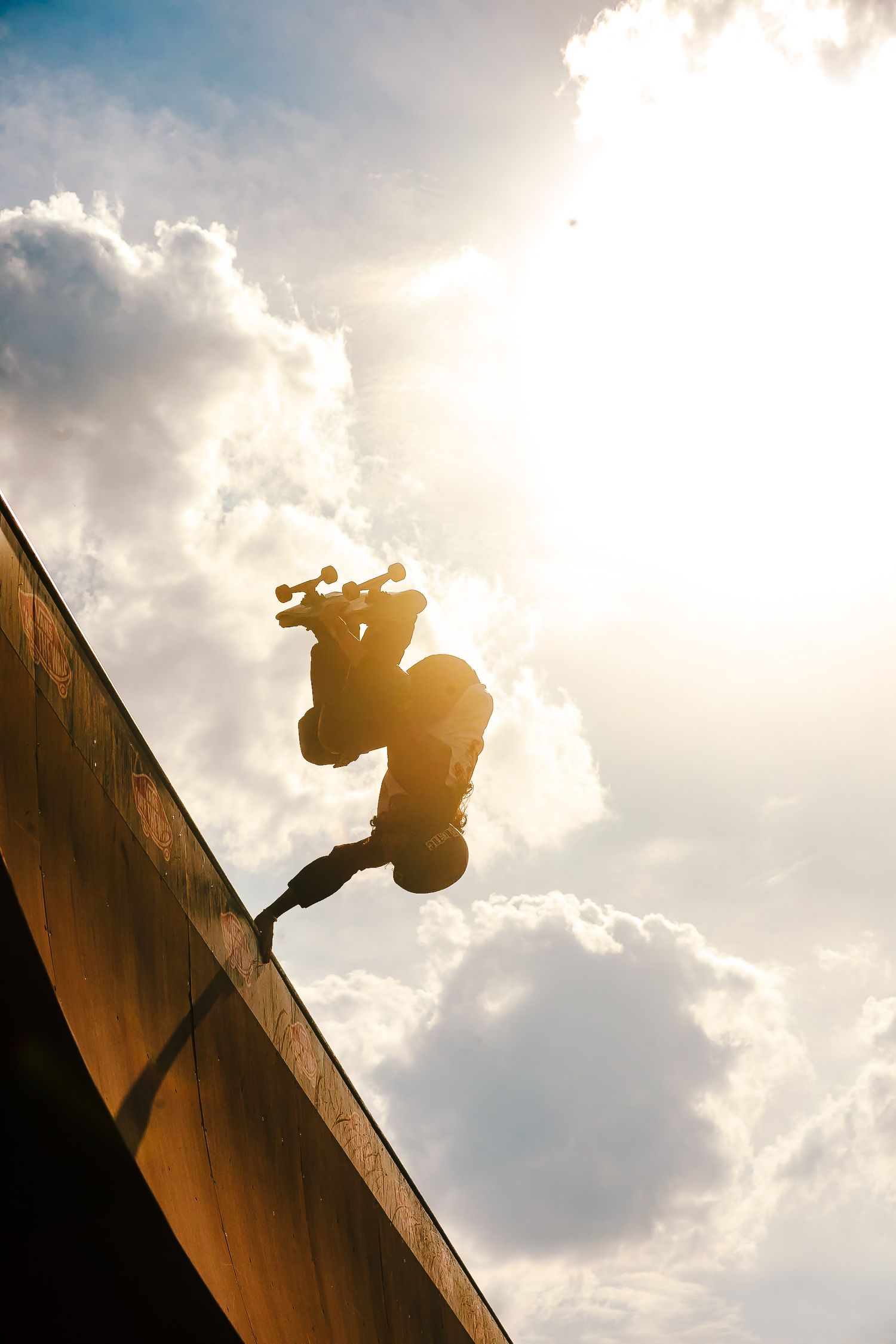
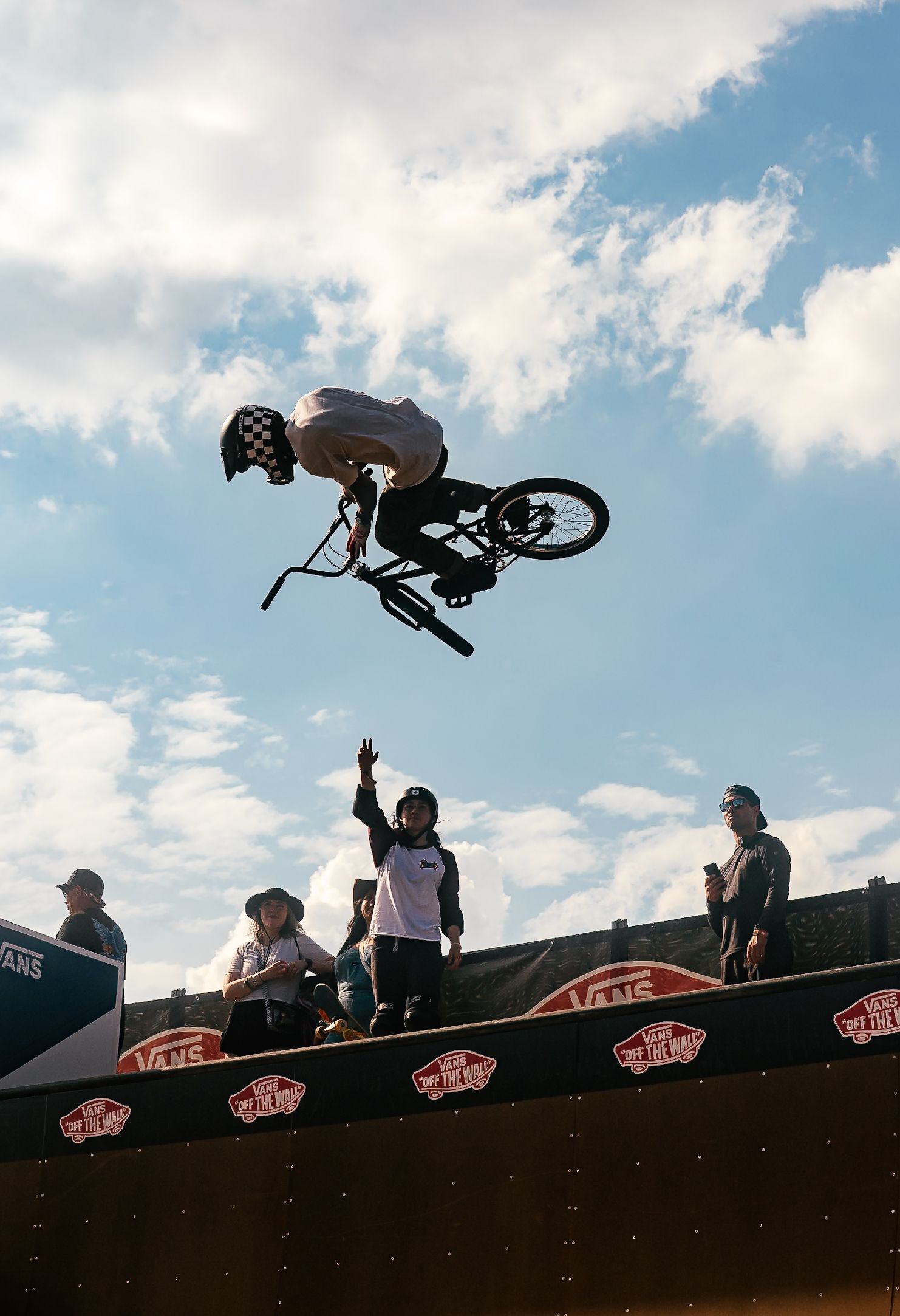
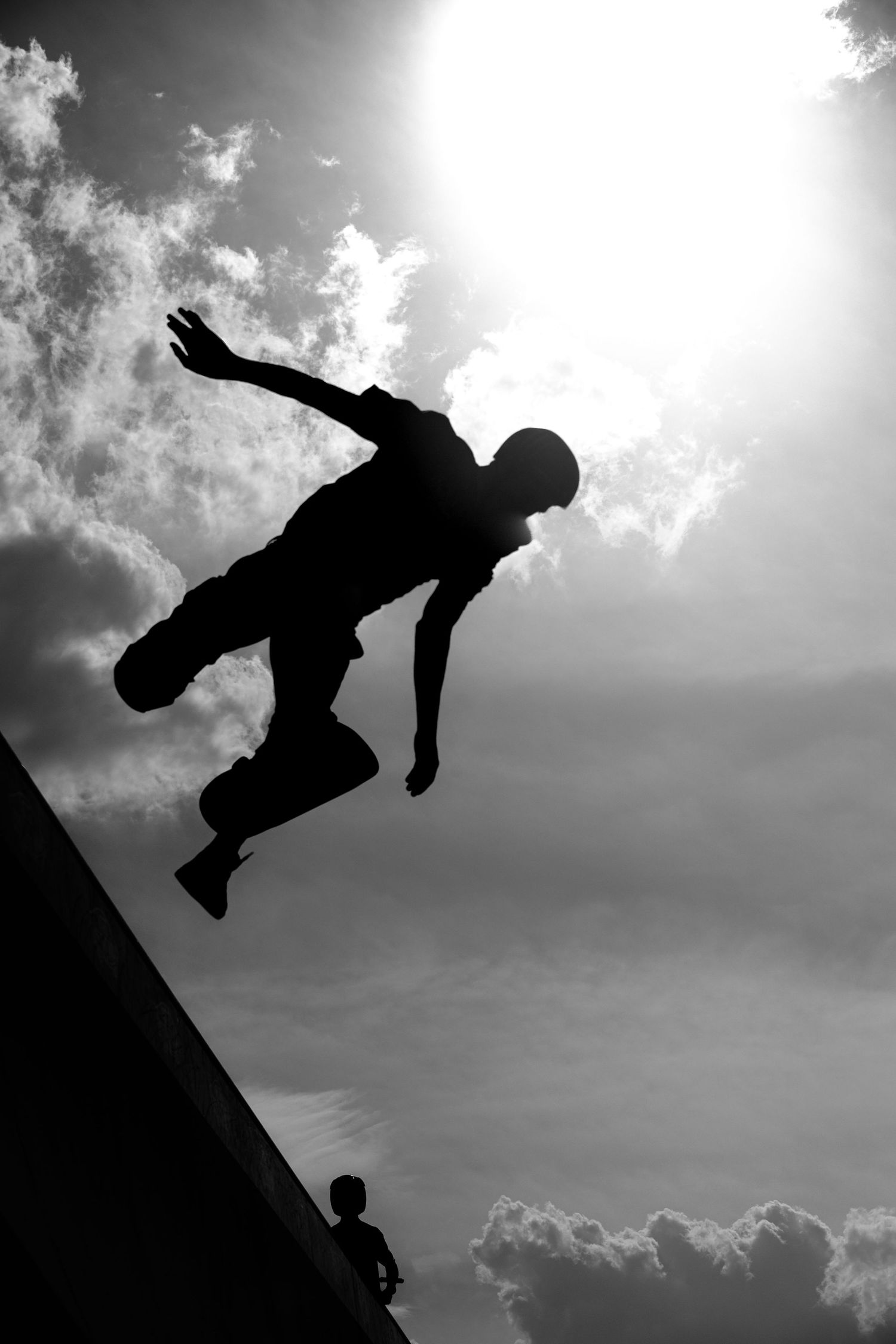
I do not remember there being a vert ramp at the Maryland stop, so seeing one at the 2026 festival was a major highlight for me. As someone who loves both skateboarding and BMX, I was excited to see action sports occupy such a visible part of the festival. I cannot skateboard for my life, but I love to rollerblade, and learning how to skate is still on my list.
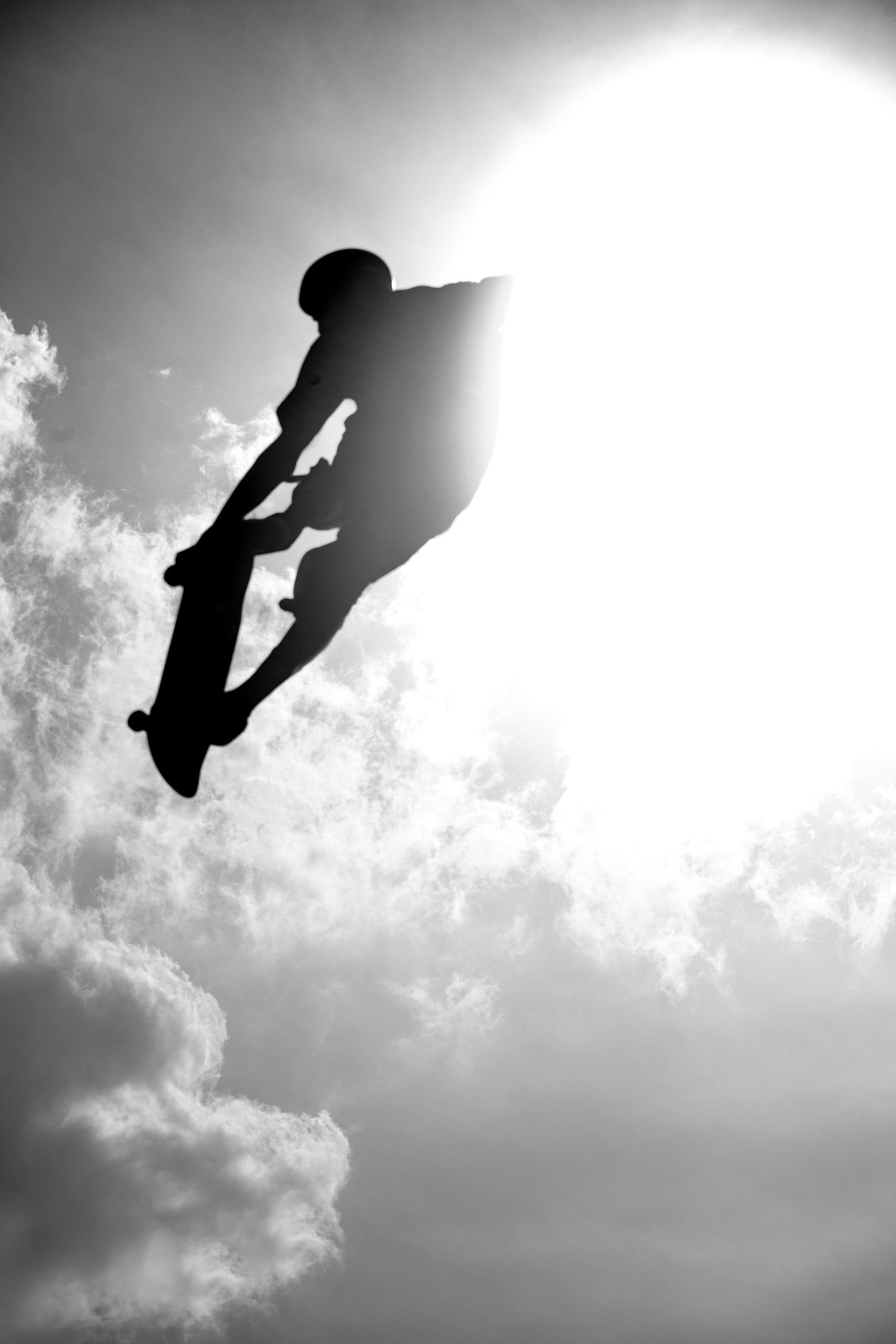
Even without much skill of my own, I have always been drawn to the skate community and the creativity, confidence, and support surrounding it. The Vans vert ramp gave me something completely different to photograph between sets. Instead of focusing on stage lights, microphones, and musicians, I was trying to capture skateboarders and BMX riders suspended above the ramp for a fraction of a second. It added another layer of movement to the weekend and resulted in some of my favorite photographs from the festival.
A Festival For More Than One Generation
The crowd felt much more multigenerational than it did when I attended in 2014. Some people were experiencing Warped Tour for the first time, while others were returning after attending during the original touring years. I saw longtime fans bringing their children, younger attendees discovering bands that had been part of the scene for decades, and adults immediately reverting to their teenage selves as soon as a familiar song began.
That mix of generations gave the festival a unique energy. Older fans could revisit the music that shaped their high school and college years, while younger fans experienced those same bands as part of their own story. At the same time, newer artists gave returning attendees the chance to discover what the current alternative scene sounds like. The result felt less like a festival relying only on nostalgia and more like different eras of Warped Tour meeting in the same place.
It was also interesting to see how little some things had changed. People who probably had work on Monday were still jumping, screaming lyrics, crowd surfing, and entering mosh pits as though no time had passed at all. Warped Tour has aged, but so have the people who grew up with it. Some of us still mosh just as hard, even if recovering from it takes a little longer now.
A Bigger Production & Broader Lineup
With fewer cities on the schedule, each Warped Tour stop could operate more like a large destination festival. The D.C. weekend included six stages and more than 100 artists, so there was almost always another performance beginning somewhere on the grounds.
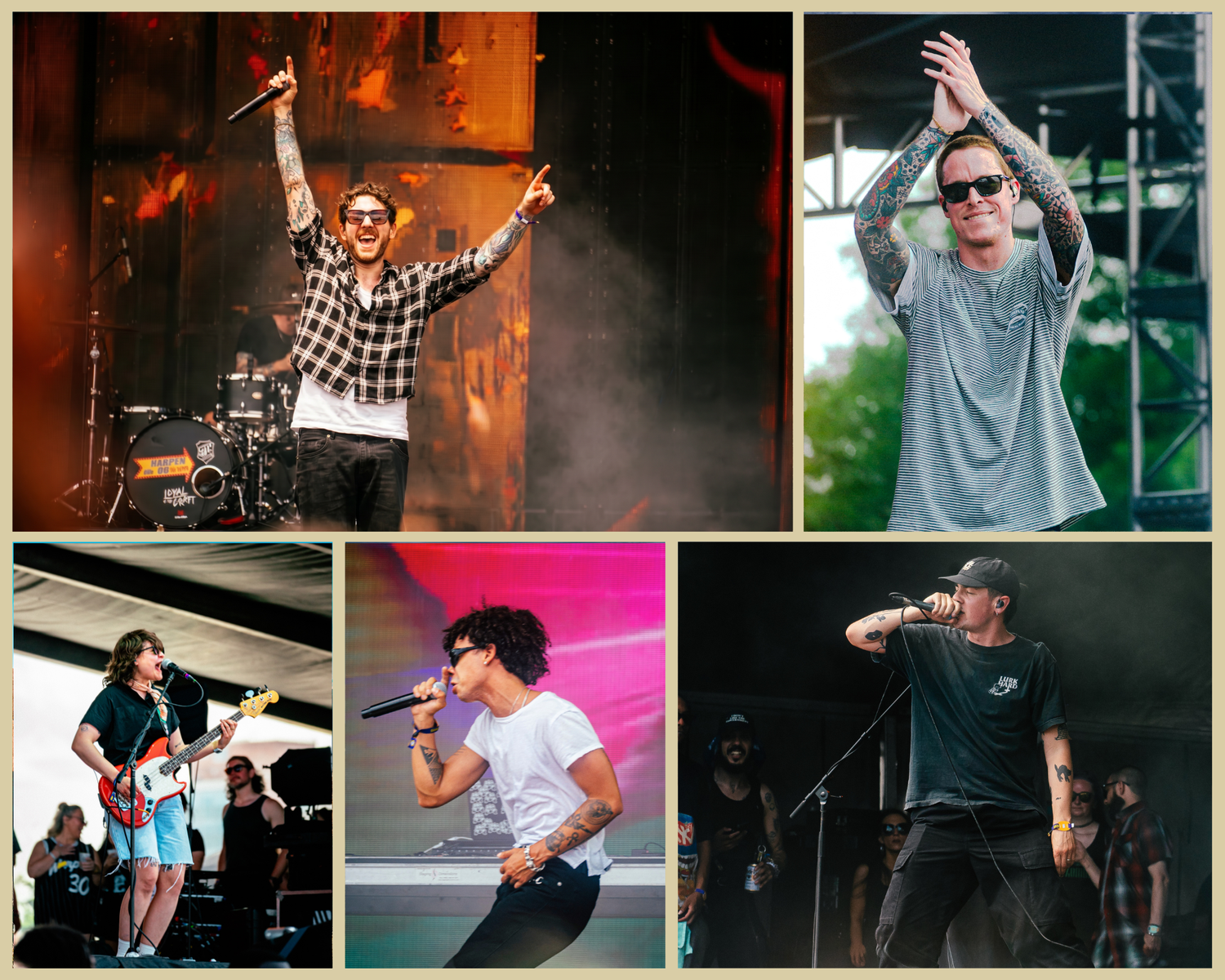
The lineup covered nearly every corner of the alternative music scene. Longtime Warped favorites such as The Story So Far, Yellowcard, Taking Back Sunday, The Used, Hawthorne Heights, Underoath, and Story of the Year appeared alongside heavier acts like Suicide Silence, Sunami, The Devil Wears Prada, and GWAR. More mainstream names such as Iann Dior, 3OH!3, Jimmy Eat World, Third Eye Blind, Plain White T’s, and American Hi-Fi were also included, along with genre-blending artists like RDGLDGRN.
That variety made the festival feel broader than the Warped Tour I remembered. I could photograph pop-punk and emo bands, move to a much heavier set, and then hear something influenced by mainstream rock, pop, or hip-hop. Warped Tour has never belonged to only one genre, but that range felt especially noticeable in 2026.
My memories of Warped Tour in 2014 are closely tied to the high school friends who joined me at Merriweather Post Pavilion. One of them was Grace, who returned with me in 2026 and somehow still moshes just as hard. Being there together again felt like stepping straight back into our emo years, if we ever truly left them.
In 2014, I went mainly to see bands I already loved, including Of Mice & Men, Falling in Reverse, The Story So Far, The Wonder Years, and Neck Deep. Ronnie Radke, however, is a conversation for another day. One of the biggest surprises was PVRIS, a band I came to love after seeing them live. Lynn Gunn’s stage presence stayed with me long after the festival ended. I remember singing along while a newer friend watched me with a mixture of amusement and mild terror. She had not known me long enough to meet the side of me I call “Julie Unleashed.”
At the time, I was already taking photos, but not with the same intention I have today. I brought only an older iPhone and have very few photographs from that year, so many of the smaller details have faded. Returning in 2026 with media access and a photo credential felt especially meaningful. I could photograph the performances, crowds, and chaos while still experiencing the festival as a fan—singing along, helping hold up crowd surfers, and trying to escape mosh pits with my camera intact. More than a decade later, the experience felt full circle. In 2014, I left with a few phone photos and scattered memories. In 2026, “Julie Unleashed” returned, and I left with a visual record of the weekend and a deeper appreciation for how photography lets me experience a moment while preserving it.

Returning to Warped Tour ten years later felt different before I even entered the festival. This time, I was not attending only as a fan but I was there as a photographer and journalist responsible for documenting the performances, the crowd, and the overall experience. I had applied through the official Vans Warped Tour media process and received a photo credential that allowed me to bring professional camera equipment into the festival. Knowing me, I probably would have spent weeks trying to find some other creative way to sneak in a camera anyways, but applying for official access was clearly the better, and much less stressful, route.
I was genuinely surprised when my application was approved. At the time, I had only a small amount of concert photography displayed on my website, so receiving the credential felt like someone was taking a chance on me. It was exciting, but it also came with pressure. I wanted to prove that I could work responsibly in a demanding festival environment and return with photographs and observations that captured more than just the artists onstage.
Packing For Chaos
Deciding what equipment to bring became its own challenge. I knew I needed to pack light enough to move comfortably through the festival, but I also wanted to be prepared for almost anything. My instinct was to bring every piece of gear I might possibly need, even though I knew I would regret carrying all of it after several hours in the heat.
I was especially hesitant to bring my Nikon Z6III because it was still relatively new. The thought of damaging it in a crowd full of mosh pits, crowd surfers, dust, and unpredictable weather made me nervous. I considered bringing my Nikon D750 instead, but it is bulkier and heavier, which was not ideal for two full days of moving between stages.
Eventually, I reminded myself that this was exactly why I had insured my equipment. A camera cannot prove its worth while sitting safely at home, especially when it was made for assignments like this. I told myself I would guard the Z6III with my life, and I pretty much did. At the same time, I was still helping keep crowd surfers from falling and trying to make sure the people around me stayed upright. Somehow, both the camera and the crowd survived.
No Questions Asked, The Film Must Come
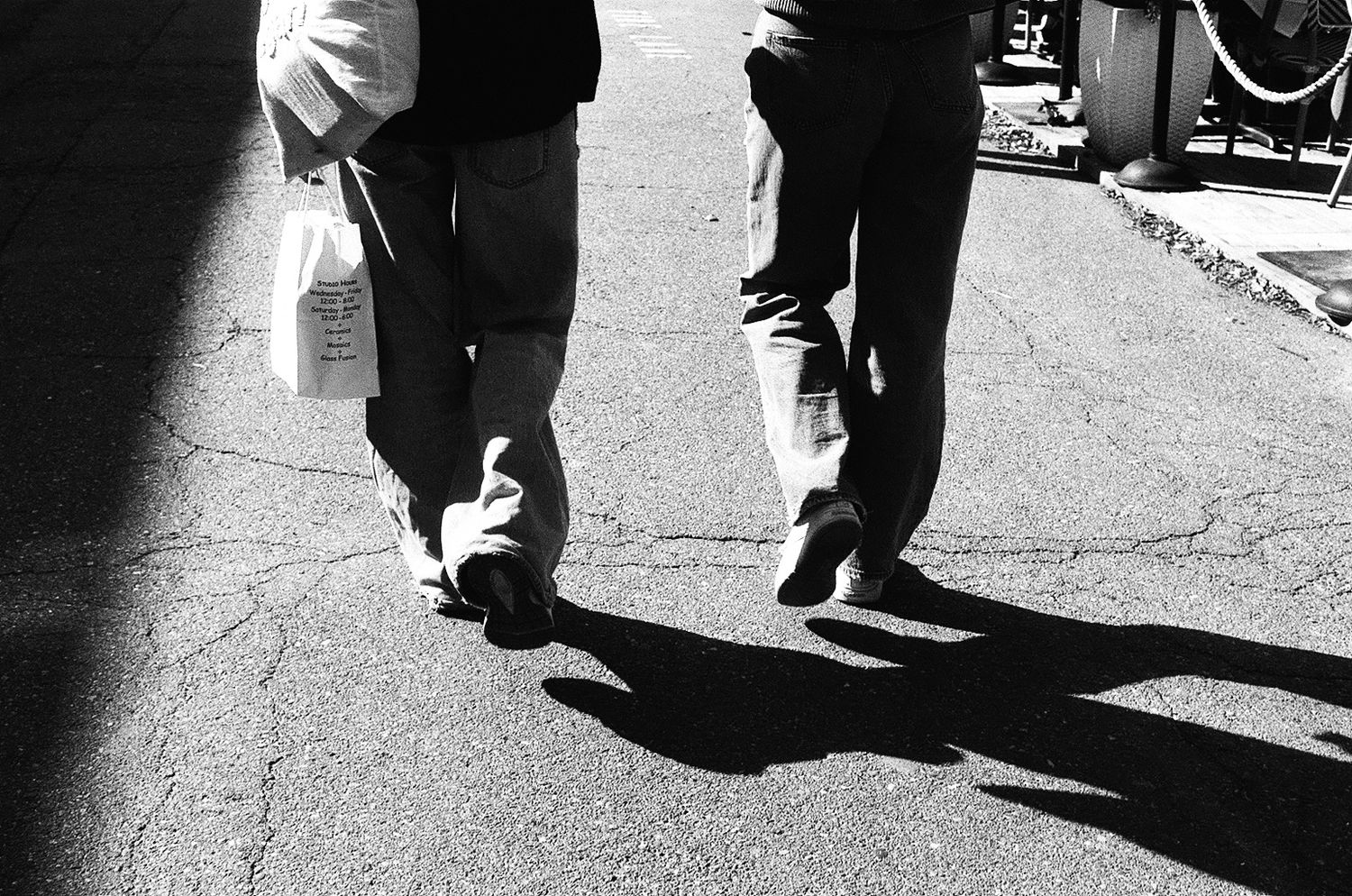
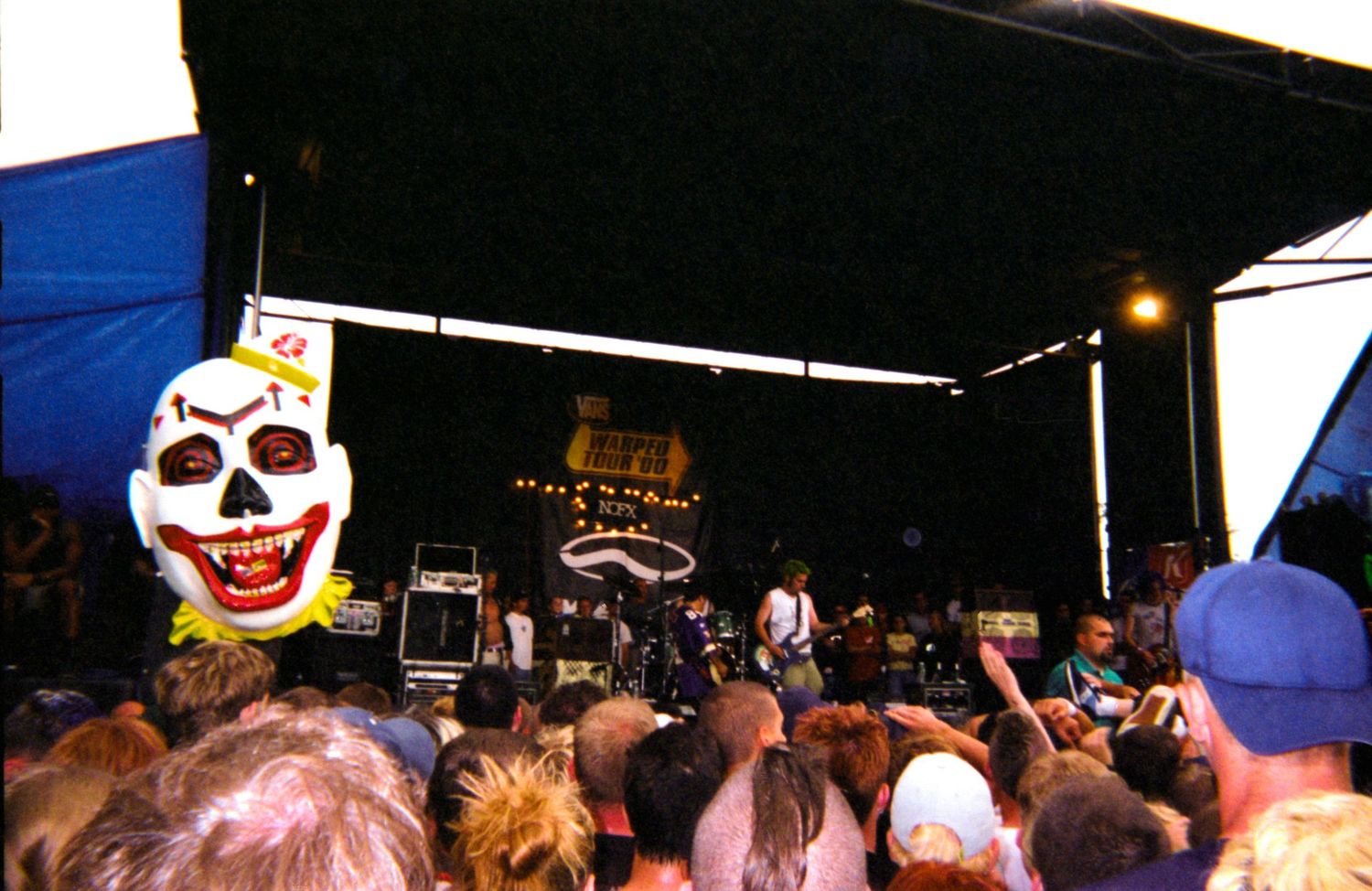
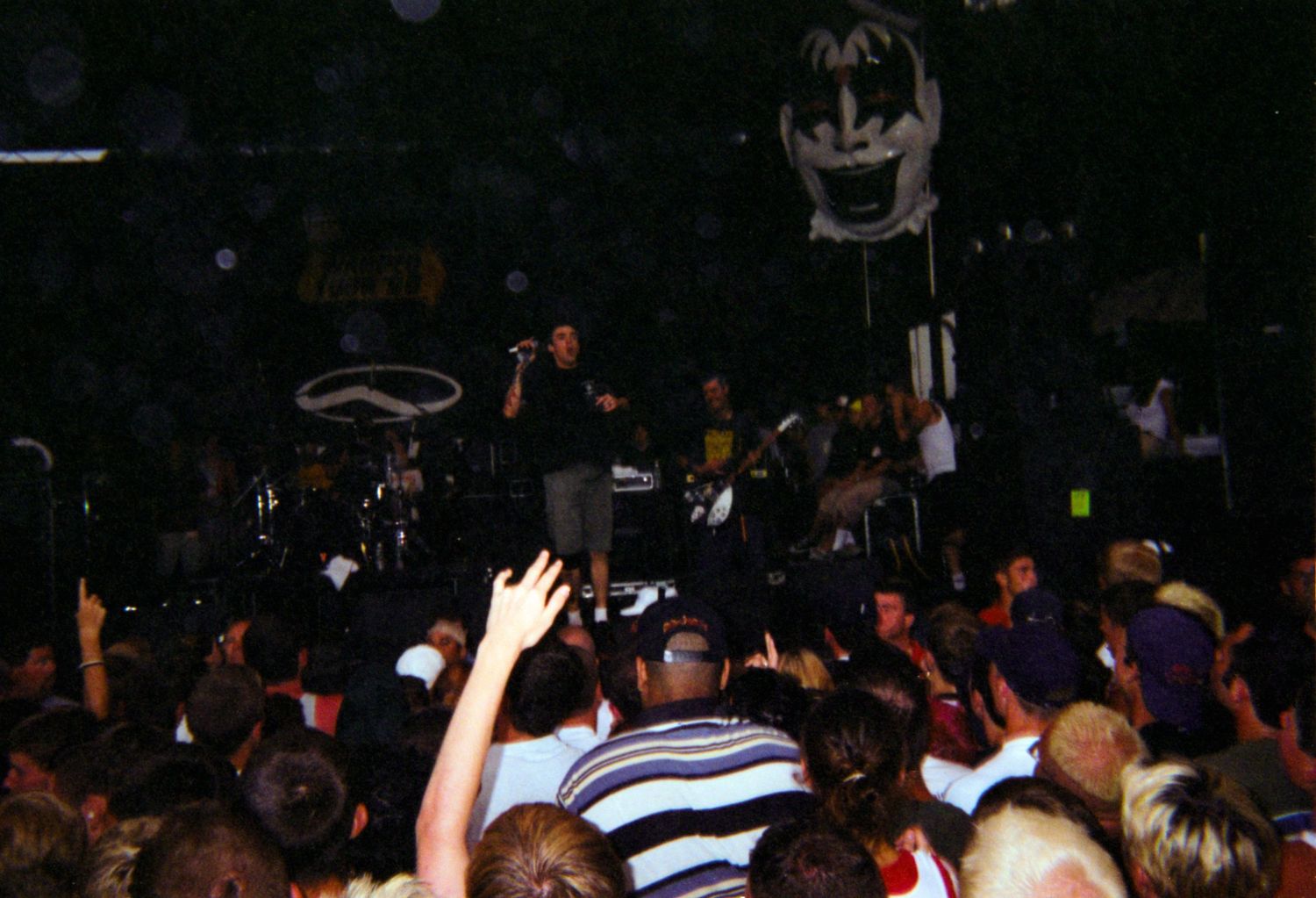
Of course, I was going to shoot film at Warped Tour. Kodak Vision3 500T felt especially fitting because it was designed for motion-picture work and could handle the festival’s constantly changing light. Its wide exposure latitude gave me flexibility when moving between open daylight, shaded areas, and stages filled with artificial light. The cinematic color and natural grain also matched the atmosphere I wanted to preserve.
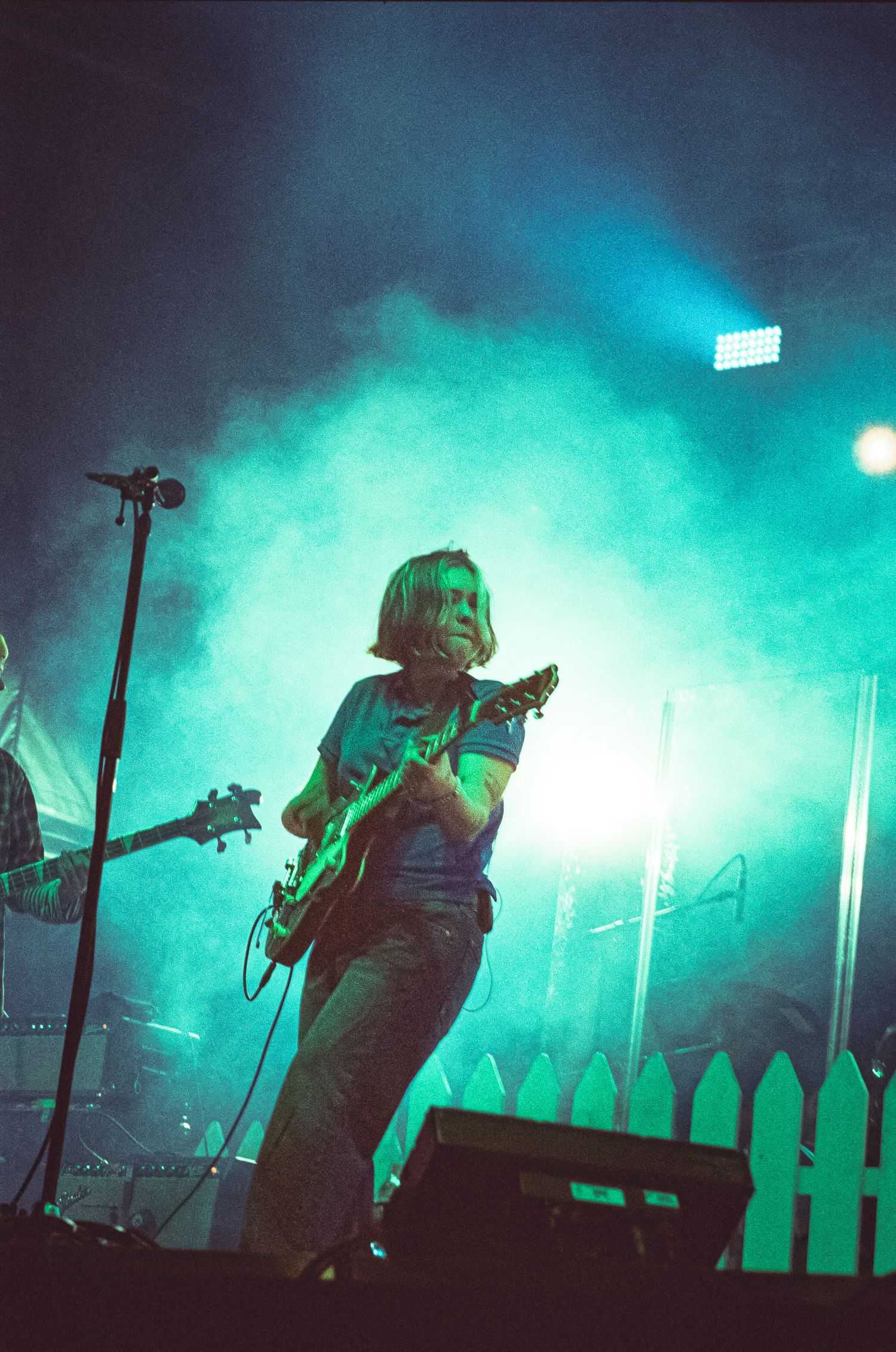
I packed CineStill 800T as well. With cloudy weather expected and performances continuing after sunset, I wanted a faster film that would let me work without lowering my shutter speed too much. Its removed remjet layer creates CineStill’s recognizable red glow around bright lights, which felt perfect for the stage lighting and nighttime energy of Warped Tour.
Even with both films in my bag, I ended up shooting much more digitally. So many moments were unfolding at once that I needed to react quickly. With digital, I did not have to stop in the middle of the action to change rolls, and I had room for a few “oops” photos while adjusting my focus, framing, or exposure before the moment disappeared.
Film required me to choose my shots more carefully and slow down, which I sometimes needed to do to conserve energy in the heat. Digital helped me keep up with the speed and unpredictability of the festival. Using both gave me two different records of the weekend: the digital images captured more of the nonstop action, while the film photographs preserved the atmosphere in a way that felt especially personal to me.
IT WILL ALWAYS BE WARPED
These additions made the current version of Warped Tour feel more comfortable and expansive without completely losing the chaos of the original touring festival. The music remained at the center, but the vert ramp, action sports, water stations, charging options, food vendors, and other amenities gave people more to do between performances.
Even with the changes, Warped Tour has not completely reinvented itself. Many of the same bands from ten or fifteen years ago are still performing, now alongside newer artists and younger fans. The crowds are still loud, mosh pits still appear without warning, and crowd surfers still come flying overhead when you least expect them. Festival dehydration is also still a risk, so drink—actually, chug—your water throughout the day instead of waiting until you feel terrible. Some Warped Tour traditions are worth preserving. That one is not. The festival may now last two days and offer more amenities, but its core still feels familiar. It remains sweaty, unpredictable, communal, and slightly chaotic. The format has changed, but the spirit of Warped Tour is still very much alive.
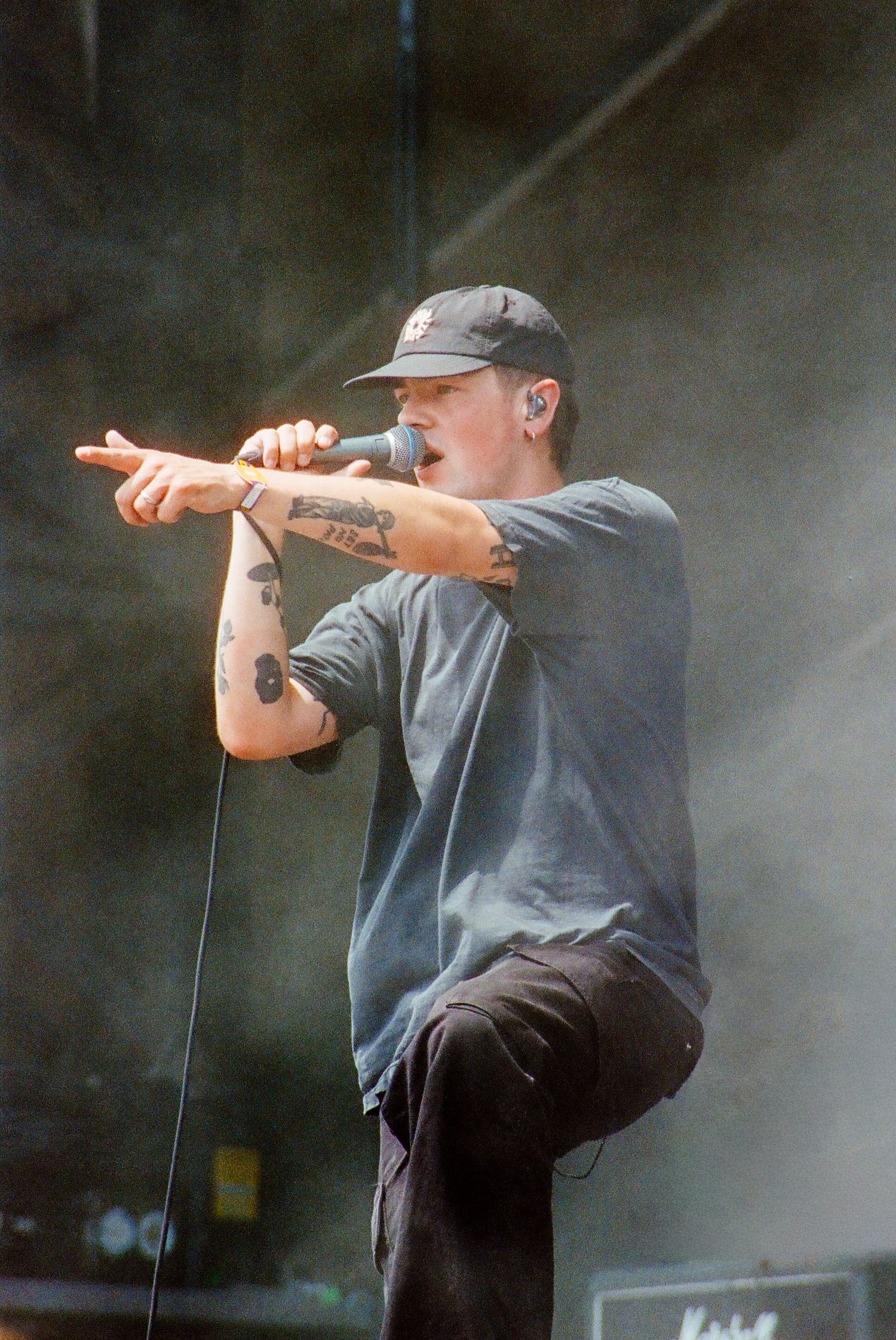
Moshing With A Camera Was Not in the Assignment
One thing was certain: the festival kept me on my toes. Moshing with a camera was not part of the assignment, and protecting my gear became a priority whenever a pit suddenly opened nearby. I enjoyed watching my friends disappear into the chaos, but I was perfectly happy photographing from somewhere my cameras were less likely to be knocked out of my hands.
One of the most memorable moments happened during Sleeping With Sirens’ set. My friends and I were packed near the barricade when the mosh pit began growing around us. As they threw themselves into it, I knew it was time to make my escape. I tried to skedaddle while still helping hold up the crowd surfers passing overhead, letting my cameras hang from my neck and silently praying that neither would be punched, kicked, or knocked to the ground. Eventually, the crowd became too chaotic, and protecting myself and my gear had to come first.
At one point, a man noticed my camera—and the panic on my face—and yelled, “Camera coming through!” as he cleared a path for me. Shoutout to that guy. Soon after, I noticed a woman behind me who also wanted to get out, so I told her to hold onto my backpack. Before long, several more people had joined the line, each holding onto the person in front. For a moment, I felt like the Moses of Warped Tour, parting a sea of moshing bodies as we made our way to safety. It was chaotic, exhausting, and strangely communal—the kind of moment that perfectly captured the festival’s energy.
More Than Pointing a Camera at the Stage
Even with a credential around my neck and a camera in my hands, I never felt separate from the crowd. I was there as a photographer and journalist, but I was also still a fan. I sang along to my favorite songs and helped hold up crowd surfers like everyone else. Photographing Warped Tour meant staying aware of the crowd, anticipating movement, and protecting my gear while still being part of the experience.
At 5 feet 2 inches tall, photographing from inside the crowd was not always easy. Raised hands and phones often blocked the stage, so I searched for openings between people, held my camera overhead, and waited for the crowd to shift.
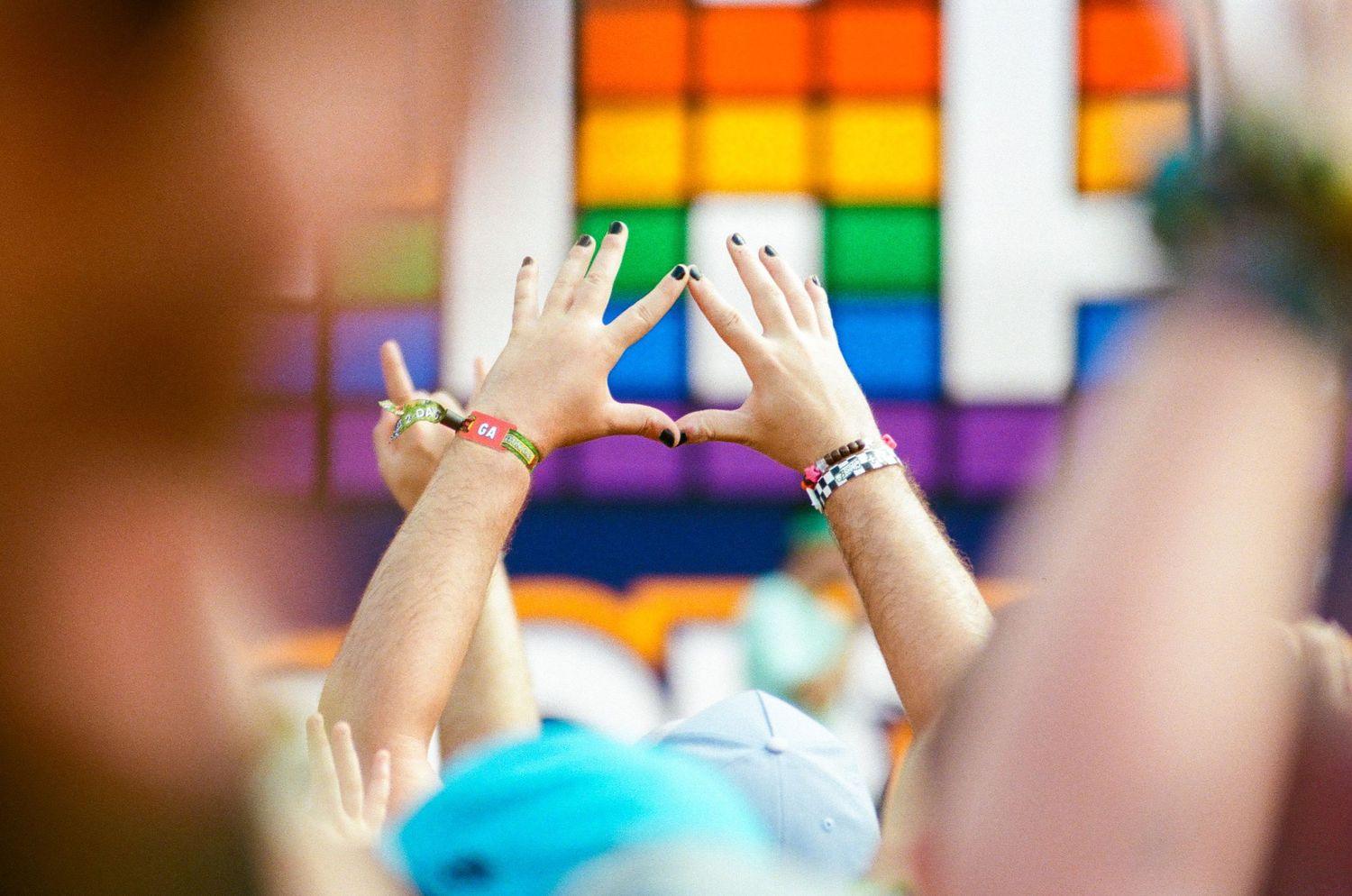
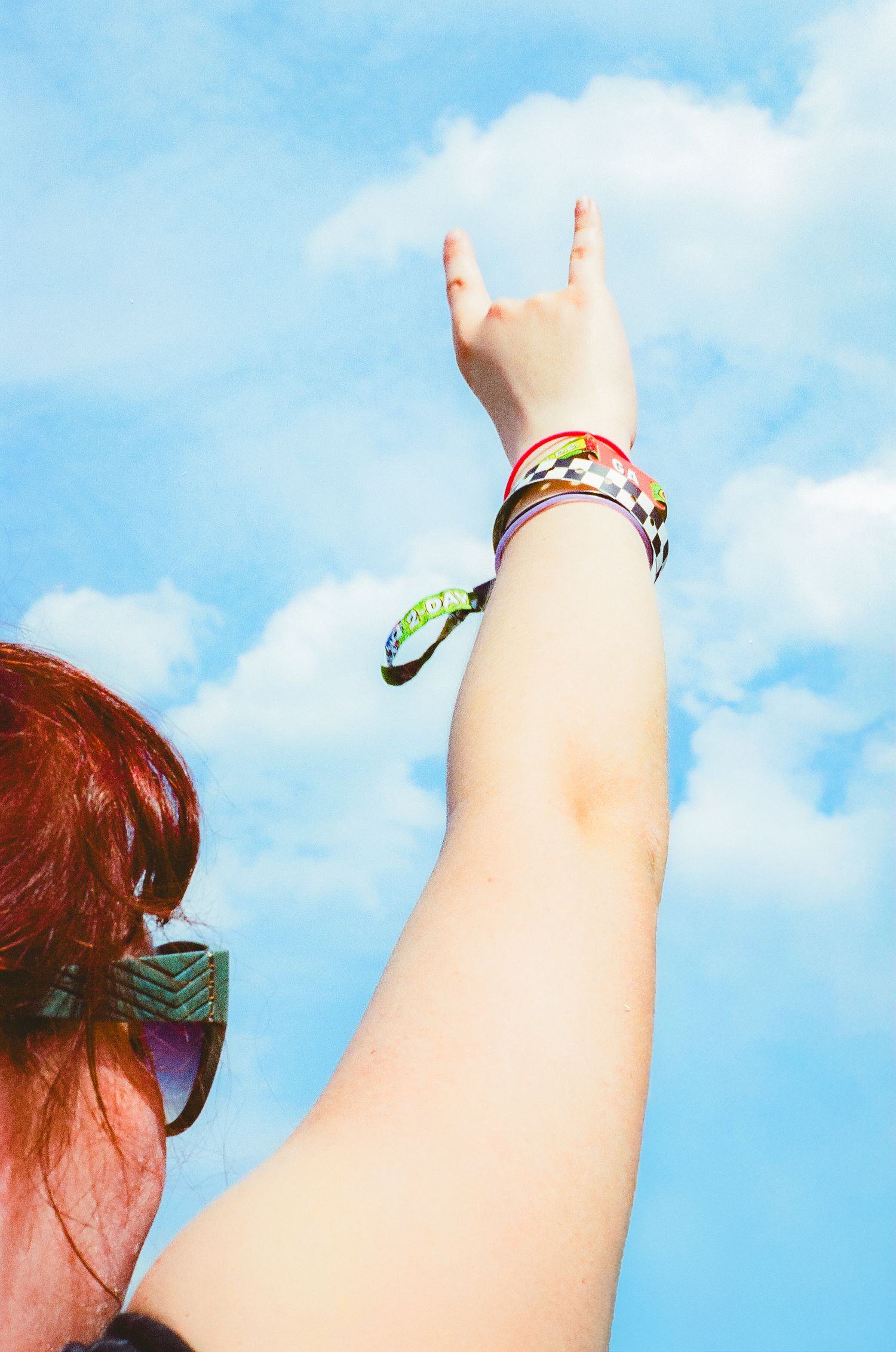
But being surrounded by the audience let me capture more than the performances. I photographed fans shouting lyrics, reaching toward the stage, crowd surfing, and reacting as soon as a favorite song began. Those moments became just as important to the story as the musicians onstage.. Being a fan helped me recognize the moments that mattered, while being a photographer allowed me to preserve them.
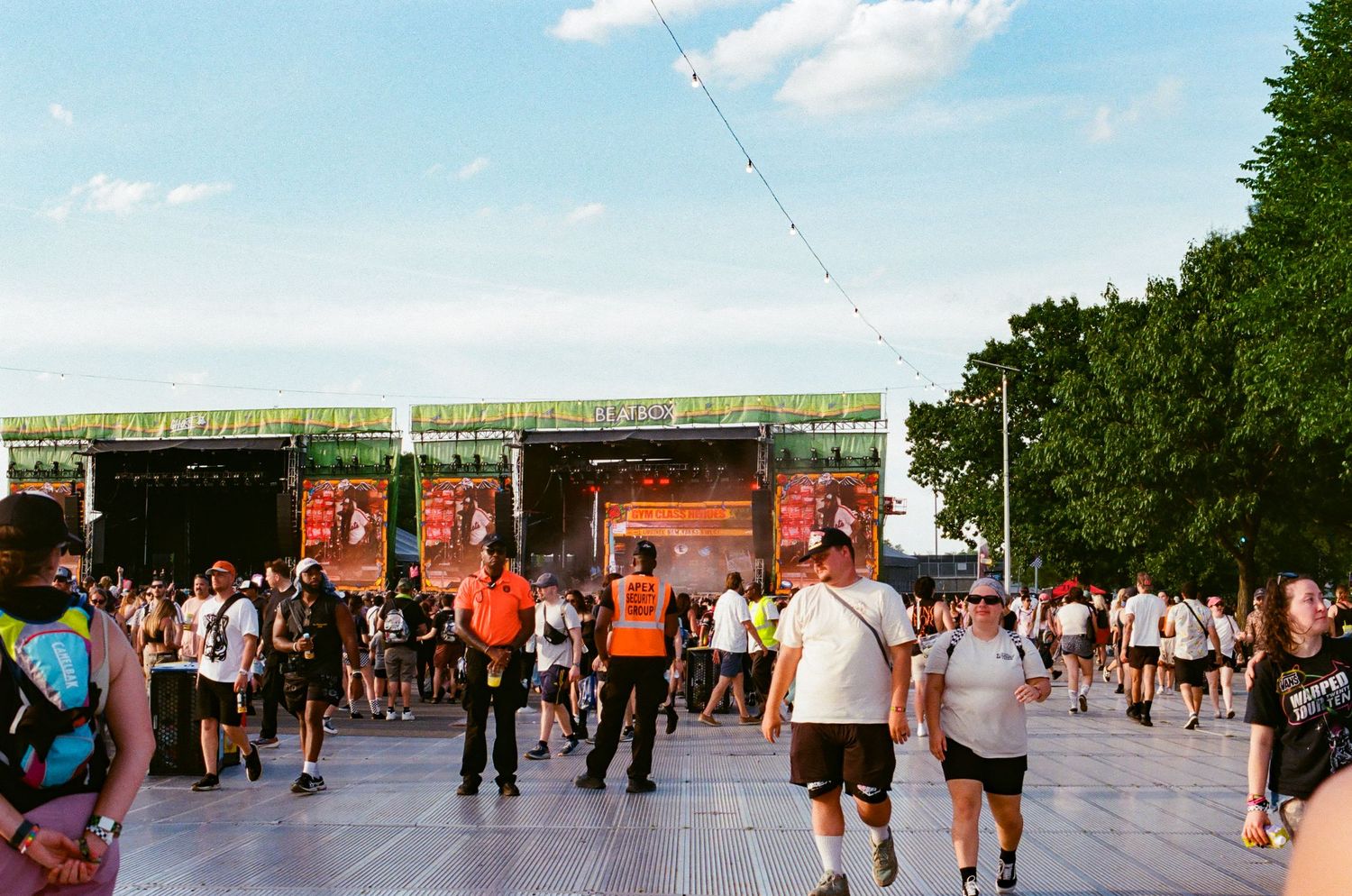
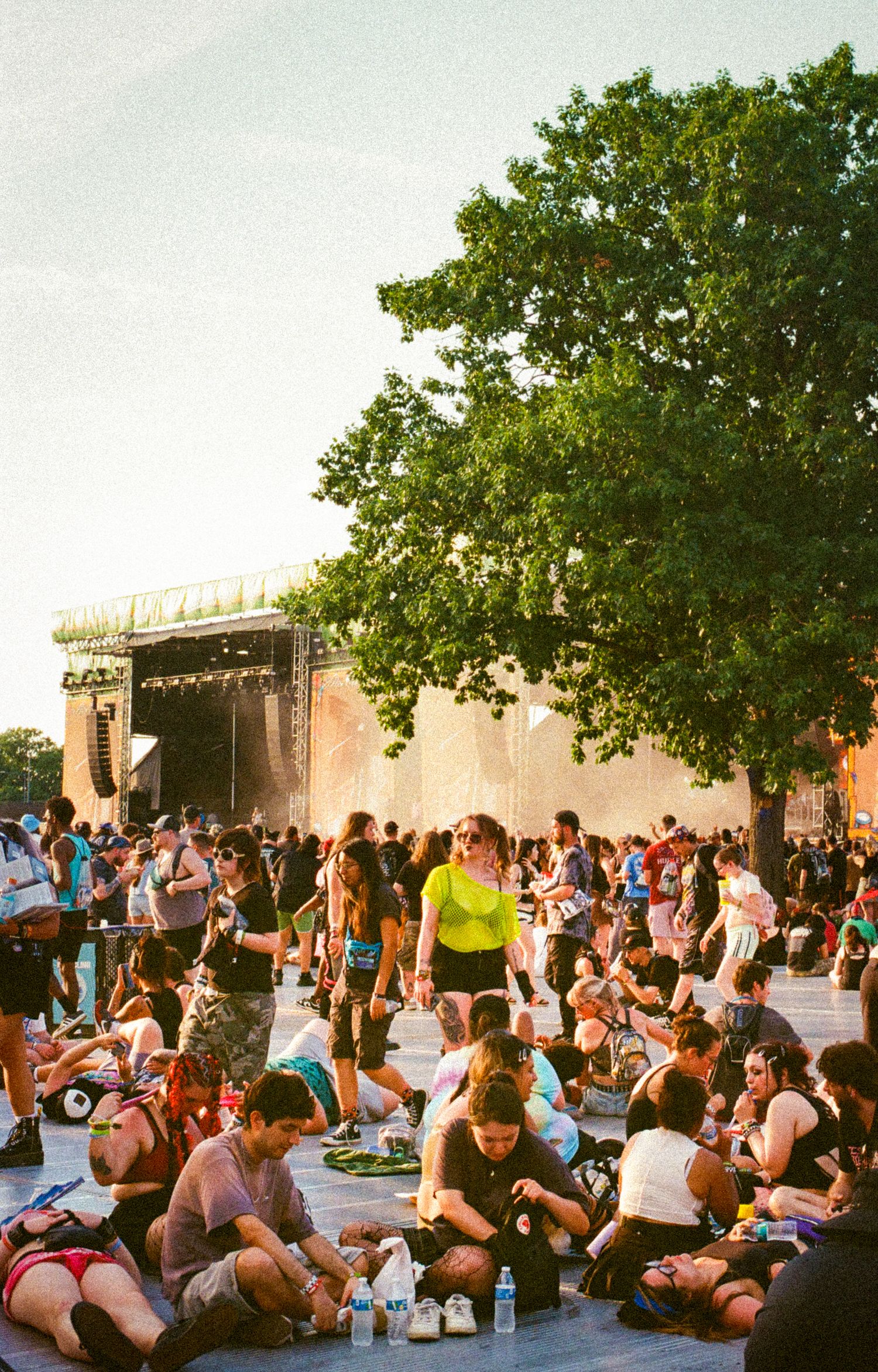
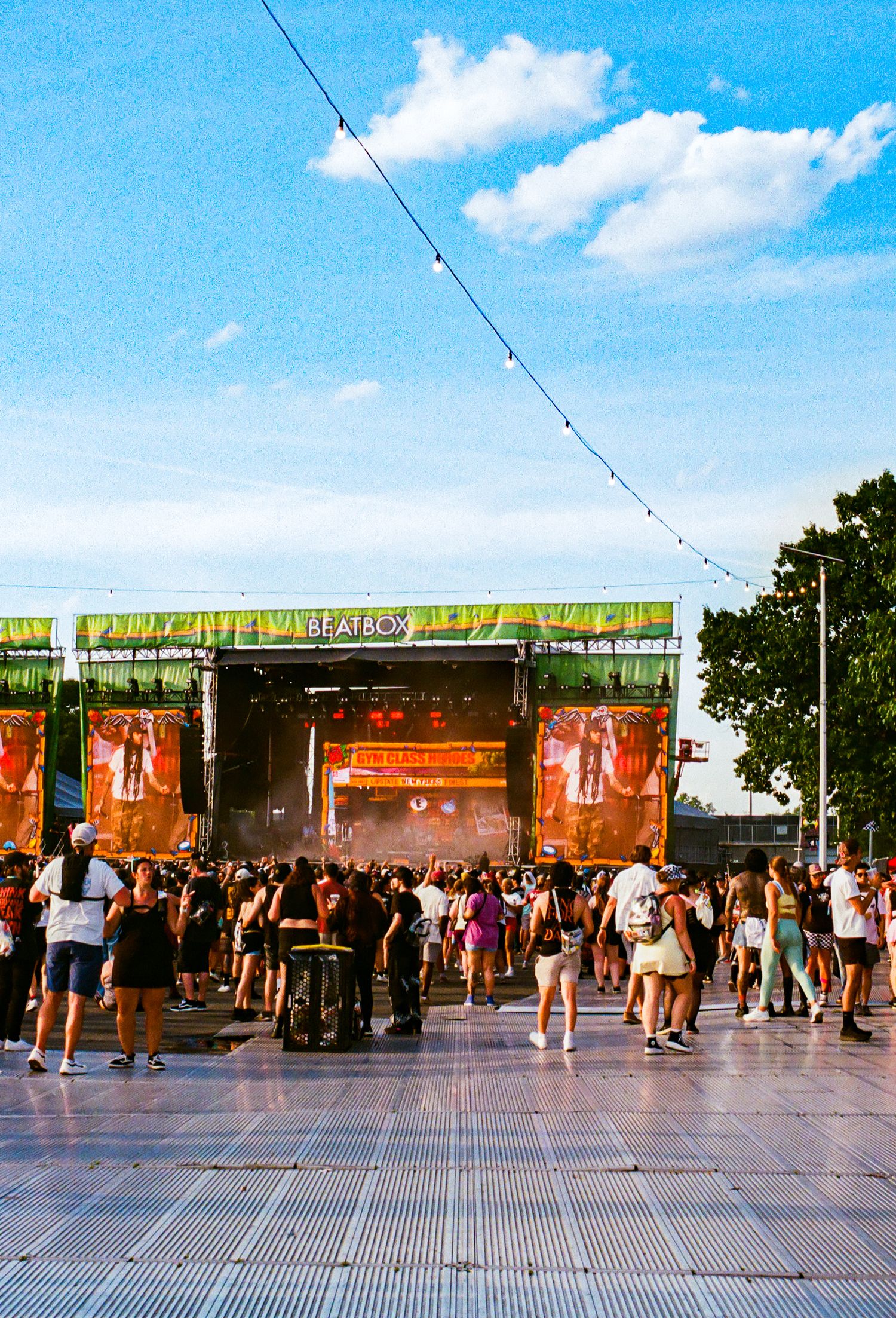
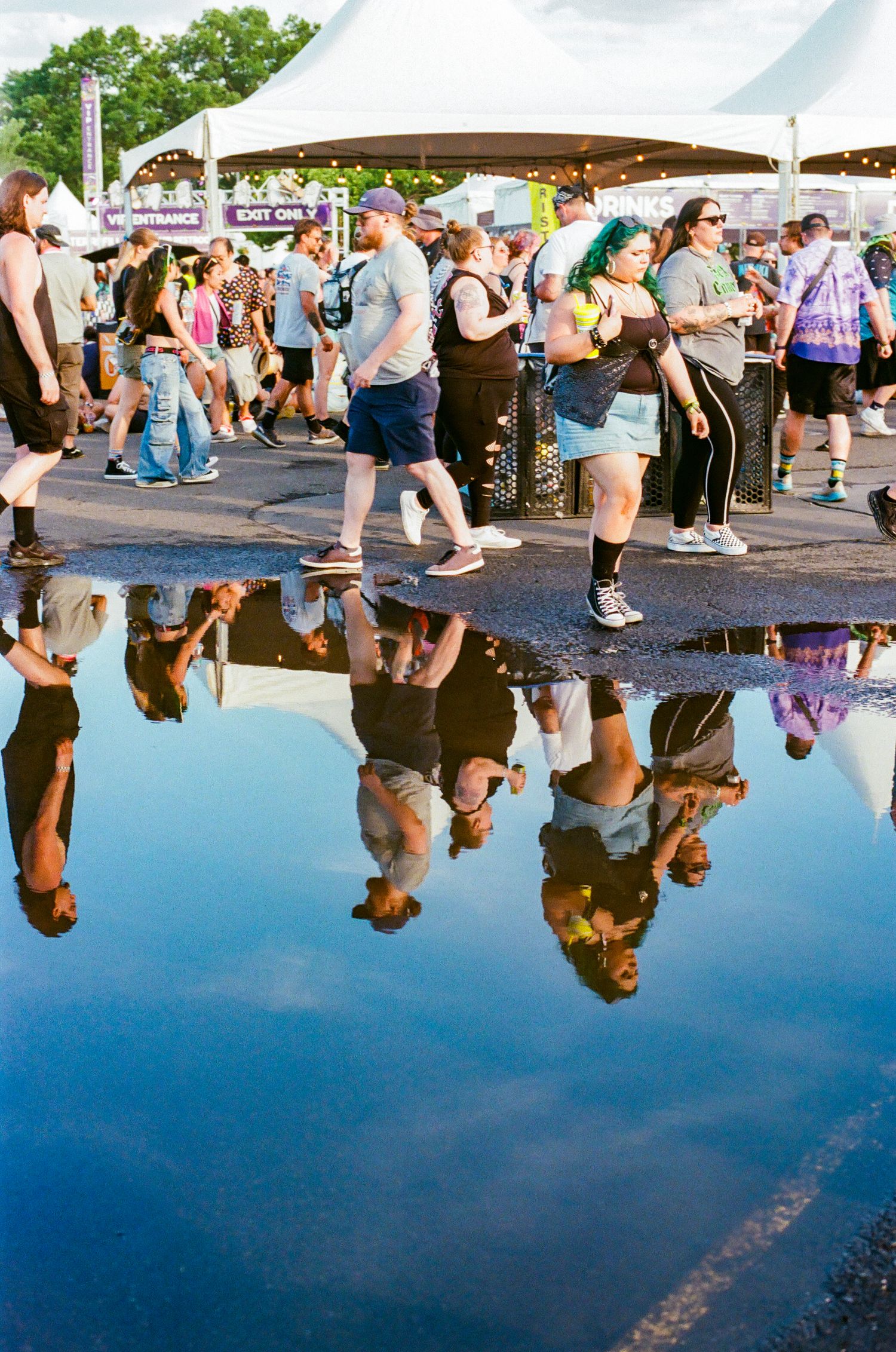
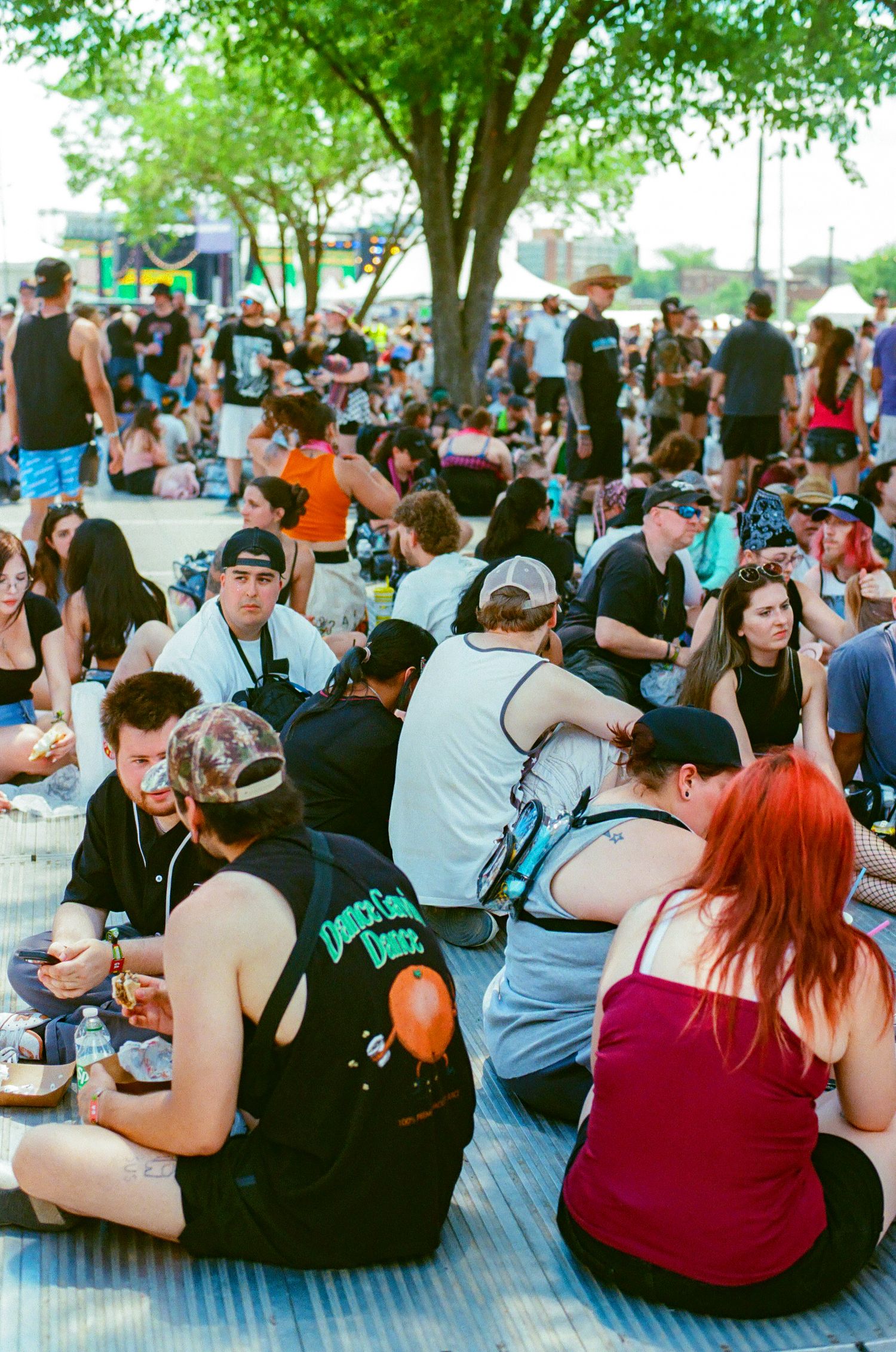
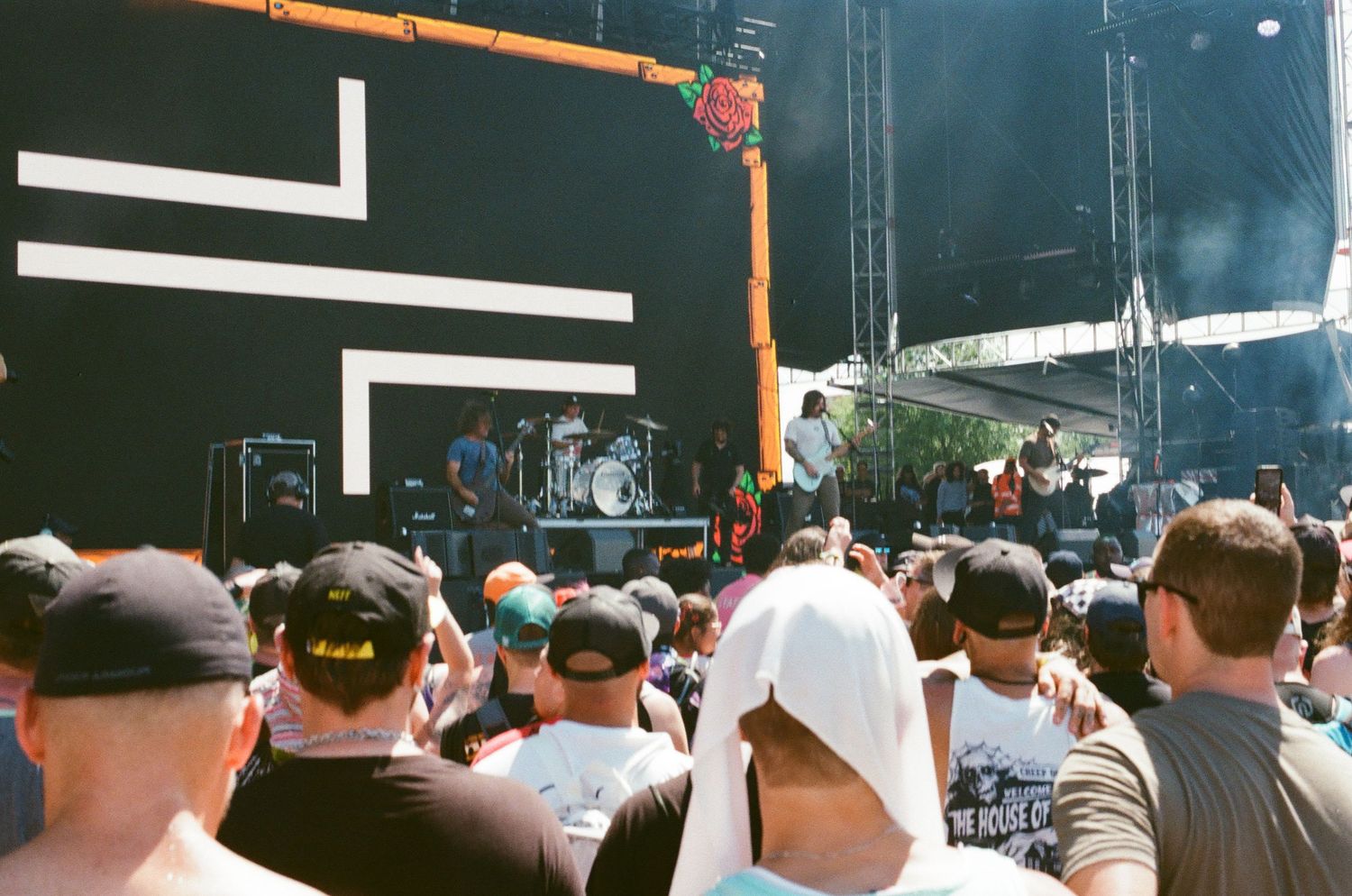
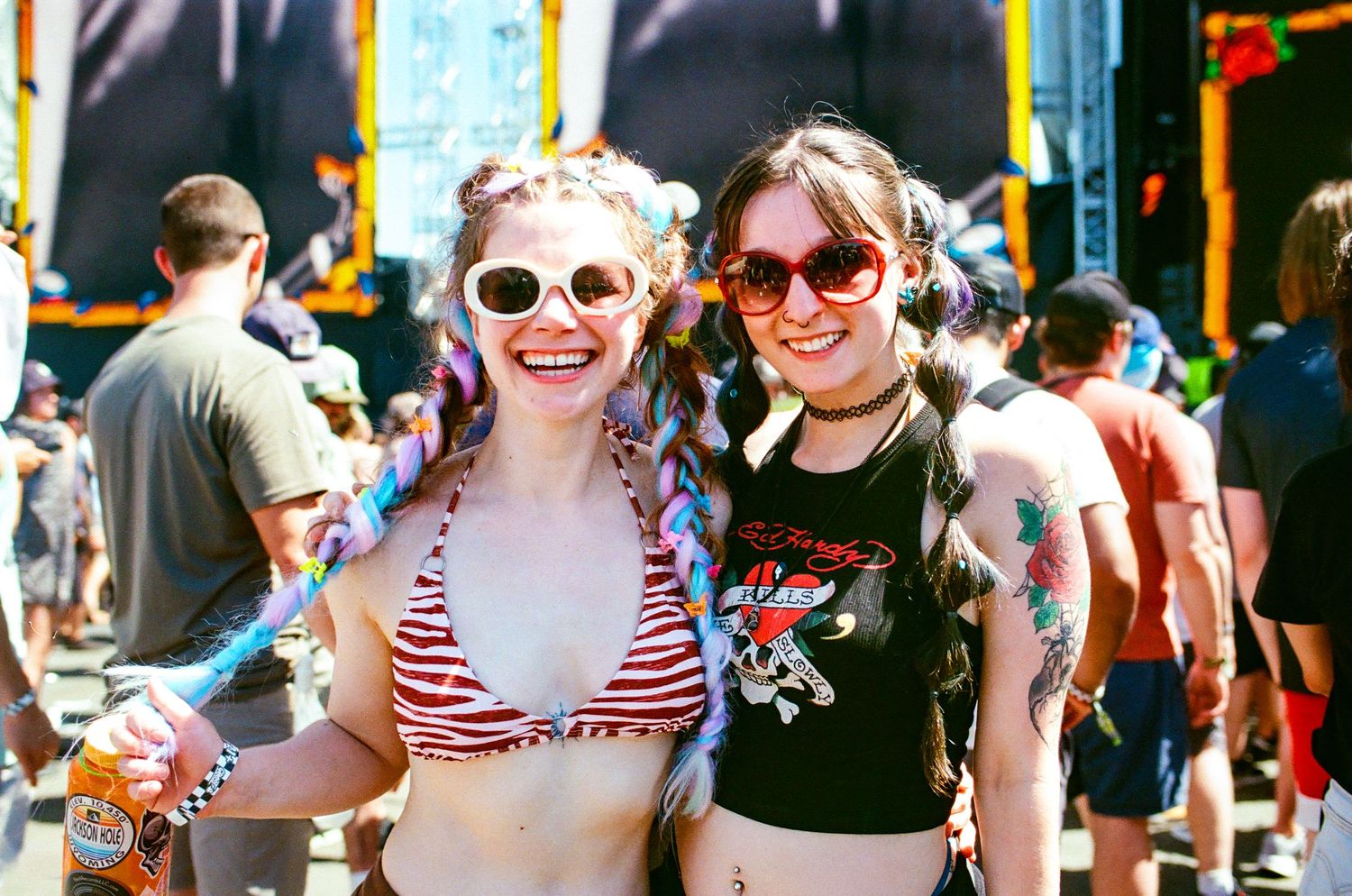

By the end of the weekend, I realized that carrying a camera had not separated me from Warped Tour. It had simply changed how I moved through it. I was still singing, sweating, dodging crowd surfers, and trying not to lose my friends, but I was also watching for moments that might disappear once the music stopped. That included fans trading kandi bracelets, which added another layer of community to the festival.
Some people feel more present when they put the camera away, and I understand that. For me, searching for a photograph is part of being present. Watching the light, anticipating movement, and noticing moments others might overlook is how I experience what is happening around me.
I am incredibly thankful that Vans Warped Tour gave me the opportunity to return with a photo credential and experience the festival from a new perspective. Being trusted while I was still building my concert portfolio meant a lot to me. The weekend challenged me, strengthened my confidence, and reminded me why I love documenting live music and the communities around it. I left with sore feet, a sunburn, full memory cards, a few rolls of film, and an even stronger desire to photograph more concerts and festivals.