

What Is Kodak Ektar 100?
Kodak Ektar 100 is a professional ISO 100 color negative film known for its exceptionally fine grain, vivid saturation, sharp detail, and rich color reproduction. According to Kodak, it offers some of the finest grain available in color negative film, making it particularly appealing for photographers who want clean, detailed images suitable for larger prints and high-resolution scans.
Ektar is especially well suited to photography where color, texture, and detail are priorities. Its vibrant reds, greens, and blues, along with its relatively strong contrast, make it a popular choice for:
- Landscapes and nature photography: Capturing colorful scenery, mountains, forests, and natural textures.
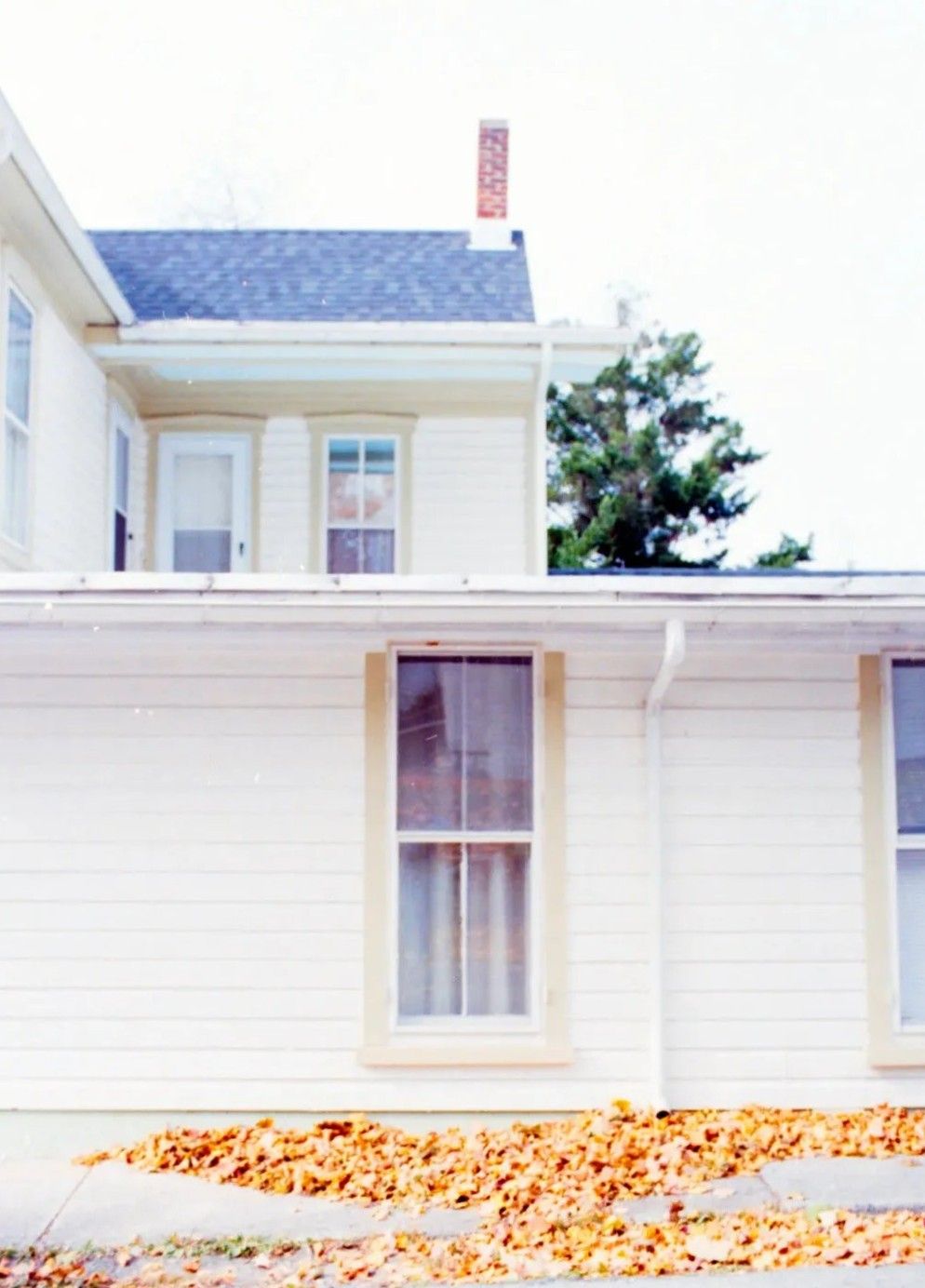
- Fall foliage and autumn colors: Bringing out the rich reds, oranges, and yellows of changing leaves.
- Travel and historic architecture: Preserving intricate details in buildings, streets, and landmarks.
- Bright, sunny outdoor scenes: Taking advantage of its slower ISO 100 speed and vivid color reproduction.
- Flowers, gardens, and botanical photography: Emphasizing saturated colors and fine details in plants and flowers.
- Subjects with rich colors and fine details: Capturing textures and subtle variations in highly saturated subjects.
Because Ektar has a slower ISO 100 speed, it performs best in bright daylight or other well-lit conditions. Although it has some exposure latitude, underexposure can result in muddy shadows, reduced detail, and unwanted color shifts. Careful metering is especially useful when photographing scenes with strong highlights and deep shadows.
Ektar uses standard C-41 color negative processing and is available in both 35mm and 120 formats. While it can certainly be used for portraits, its strong saturation may emphasize reddish or warm skin tones, making it less forgiving than portrait-oriented films such as Kodak Portra. Overall, Ektar 100 is a great option for photographers who want fine grain, crisp details, and vibrant color, particularly when shooting landscapes, architecture, or nature in good lighting.
Shooting My First Roll in Harpers Ferry, West Virginia
I'd been holding onto a roll of Kodak Ektar 100 for a while, intentionally saving it for fall. For my first roll, I wanted to take advantage of Ektar's reputation for saturated colors and fine detail, which made a sunny autumn day feel like the perfect opportunity. After seeing so many beautiful examples of autumn photography shot on Ektar, I wanted to experience those colors for myself.
Harpers Ferry, West Virginia, seemed like the perfect place to try it. The historic town sits near the meeting point of the Potomac and Shenandoah Rivers, surrounded by wooded hills, scenic trails, and plenty of opportunities to photograph fall foliage. Parking was a little difficult to find, so we ended up leaving the car farther up the hill than we'd planned. Thankfully, it turned out to be a beautiful fall day. We stopped for food at Coach House Bar & Grill, wandered through a few gift shops, and spent the afternoon exploring the town's streets and surrounding scenery.
I'm always a little nervous about shooting a new film stock for the first time, especially one I've been saving for a particular occasion. After seeing so many impressive Ektar photographs online, I'd built up certain expectations. It's also a little more expensive than some of my usual film stocks, which made me feel even more pressure to get the shots right.
By the time we made it back to the car, I'd finished all 36 exposures. I worried that I'd rushed through some of my photographs rather than taking the time to compose each frame carefully. But I reminded myself that the whole point was to try something new, see how Ektar performed, and learn whether I liked the results.
First Impressions: Kodak Ektar 100 and Fall Colors
I chose Ektar 100 specifically because of its reputation for producing bold, saturated colors, which is why I was surprised when my first lab scans didn't look quite how I'd imagined. However, the fall foliage from the lab scans appeared much more muted than expected.
I'd envisioned rich oranges, glowing yellows, and vibrant autumn colors, but the photographs didn't have the same impact as the examples I'd seen online. Some of the scans even made the day look cloudy and overcast, despite the bright sunshine we'd experienced in Harpers Ferry. I was disappointed at first and wondered whether I'd misunderstood what Ektar was best at or if my expectations had been influenced by heavily edited examples online.
After reading more about Ektar, I learned that scanning and color conversion can have a significant influence on how its colors appear. Even a film known for strong saturation won't necessarily produce the same results from every scanner or conversion method. Rather than immediately deciding the film wasn't for me, I wanted to take a closer look at the negatives and see how much of the appearance came from the film itself versus the scanning process.
Lab Scans vs. My Home Scans
I've generally had good experiences with the lab I use, but I also understand that every lab approaches scanning and color interpretation differently. The final appearance of a color negative photograph depends on more than just the film stock. Scanning, color balance, contrast, and editing all play a role.
The images in this post include both my original lab scans and my own rescanned and edited versions. When editing my home scans, I increased the saturation and luminance of some of the yellow and orange foliage to emphasize the autumn colors. These edits reflect my personal interpretation of the photographs rather than completely untouched examples of Kodak Ektar 100.
In his Analog.Cafe review, Dmitri discusses how Ektar can be challenging to color-correct during scanning. He describes having to make adjustments to blue tones in the shadows and red tones in the highlights to achieve the results he wants. I found that particularly interesting because my original lab scans looked so different from what I remembered seeing in Harpers Ferry.
Thankfully, I had a flatbed scanner at home, which gave me the opportunity to revisit the negatives myself. I scanned the negatives and converted them into positive images using Negative Lab Pro, taking time to adjust the color balance, contrast, and tonal response. Because I remembered how bright and colorful the day had been, I used that memory as a reference while editing.
The difference was noticeable. The colors became more vibrant, especially the reds, yellows, and oranges, and the images began to resemble the Ektar photographs that had originally inspired me to try the film. As I spent more time working with the negatives, I also began to appreciate the film's finer details. The grain was incredibly subtle, almost invisible in some photographs, and there was a crispness to the images that I particularly liked. Textures in the historic stone buildings, trees, and surrounding landscape came through beautifully.
Rescanning the negatives helped me appreciate something I hadn't fully understood when I started shooting film: the scan is an interpretation of the negative, not necessarily the only way the photograph can look. What initially felt like a disappointing roll became a useful lesson in how much control the scanning and editing process gives photographers over their final images.
What I Liked About Kodak Ektar 100
After spending more time with my home scans, I began to understand why Ektar 100 is so popular among landscape and nature photographers. The fine grain was probably one of the most impressive qualities. Compared with some of the higher-speed color negative films I'd used, Ektar produced images that looked especially clean and detailed.
Ektar's fine grain can make even 35mm negatives suitable for detailed enlargements. It also captures textures and smaller details really well. The stone buildings, tree bark, and landscape around Harpers Ferry had a crisp appearance that worked particularly well with the film's color reproduction.
Of course, color was what originally drew me to Ektar. While the lab scans initially left me disappointed, my home scans gave me much more control over the final appearance. I was able to bring out the saturated autumn colors I'd been hoping for while keeping the details that made the photographs interesting.
One thing I want to pay closer attention to next time is exposure. Although Ektar is a color negative film, its ISO 100 speed and stronger contrast mean I wouldn't want to take adequate shadow exposure for granted. I'm particularly interested in seeing how carefully metered exposures compare with the photographs I took more casually on this first roll. For bright outdoor scenes, landscapes, historic architecture, and colorful natural environments, though, I can definitely see myself reaching for it again.
Final Thoughts on Kodak Ektar 100
After shooting my first roll of Kodak Ektar 100 in Harpers Ferry, my opinion of the film changed quite a bit between receiving the lab scans and making my own. Initially, I was disappointed that the photographs didn't reflect the vibrant autumn colors I'd expected. But once I rescanned the negatives and spent time adjusting the images myself, I began to appreciate Ektar's fine grain, crisp detail, and potential for rich color.
I especially enjoyed having more control over the final results. I admittedly pushed the saturation and luminance of the yellow and orange leaves to give them that extra fall foliage pop. I still can't decide whether I went a little overboard, but I'm happy with how they look for now.
Reading more about Ektar has also helped me understand why some photographers consider it a film that requires a little more care. Between its slower ISO, the importance of exposure, and the color adjustments that may be needed during scanning, it isn't necessarily the most convenient choice for every situation. I don't think Ektar 100 is a film I'd reach for casually in unpredictable lighting, but when the conditions are right, I can understand its appeal. It's the kind of film I'd want to bring along on a sunny day when I have time to pay attention to exposure, composition, and color.
More than anything, this roll reminded me how important scanning is to the film photography process. What started as a somewhat disappointing set of lab scans became an opportunity to experiment, learn more about color negative conversion, and develop a better understanding of what I wanted from my photographs.
I'm glad I finally stopped saving that roll and actually used it. And after spending so much time revisiting photographs of Harpers Ferry in the fall, I'm already looking forward to shooting more Ektar when the leaves start changing again.


Further Reading
If you're interested in learning more about Kodak Ektar 100, its color reproduction, exposure characteristics, and scanning process, here are two helpful resources:
Kodak Ektar 100 Film Review — Analog.Cafe
An in-depth review exploring Ektar's colors, fine grain, and the challenges of scanning and color-correcting negatives.
Kodak Professional Ektar 100 — Official Product Information
Kodak's official product page, featuring information about the film's specifications, color saturation, fine grain, and recommended applications.
These make a nice pairing at the bottom of your blog post: one offers a photographer's real-world experience, while the other provides the manufacturer's technical information.